Users search online and scroll through social media to follow fitness influencers and brands to learn about lifestyle changes that can make them healthier and happier, not just on the outside but on the inside. Now, more people than ever are showing a strong desire to join fitness clubs, yoga studios, Zumba classes, and gyms.
Brands that advertise their gym membership programs and services using smart targeting metrics, defined message and creatives tailored to their audience’s specifications are making a significant difference compared to their competitors. Online gym ads make it easier to raise awareness of facilities, services, and advanced equipment by creating content that captures, nurtures, and converts interested fitness enthusiasts.
So, if you too want to make a difference for your gym brand through online advertising, join us in this gym advertising guide! We’ll walk through some amazing advertising strategies and tips that’ll help you increase quality score and ROI from your memberships.
Start Running High-Converting Gym Ads Today!
What are Gym Ads?
Gym ads are paid messages used by local gyms, personal training studios, fitness franchises, and health clubs to increase their brand visibility, paid memberships, and trial sign-ups among fitness freaks.
Online gym ads make it easier to promote local gyms through location-based, intent-driven, behavioral, and contextual targeting.
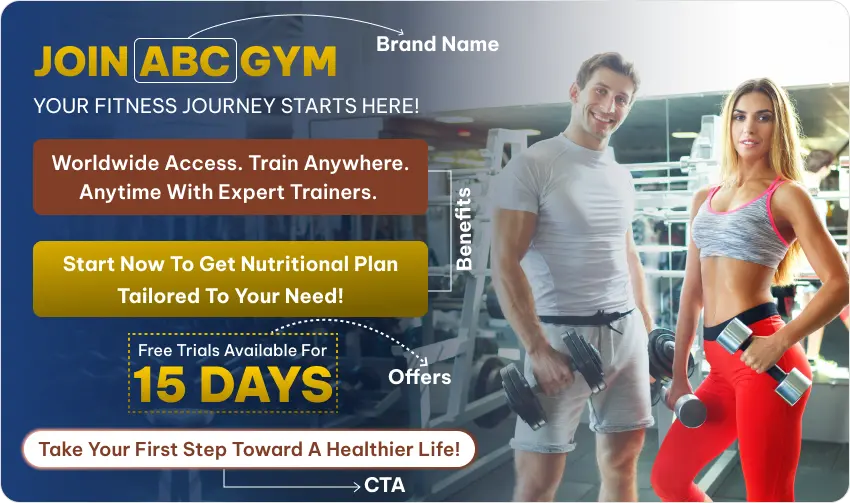
Typically, fitness center ads include the brand name, benefits, offers, and an encouraging CTA to inspire users toward a healthier life rather than sounding promotional. Just as shown below.
Questions Gym Owners Should Ask Before Running Ads
Ask these 4 questions before you start creating your gym ads, as they help you focus on what matters for your business and maximize your campaign profit.
Questions you need to ask yourself:
- Why do you want to create gym ads?
- Who do you want to target through your gym advertisements?
- How will you create your gym ads?
- How will you measure the success rate of your gym ads?
Outlining these questions will set the foundation for your campaigns. You’ll be able to outline your goals, narrow your audience, choose the right tools, and measure the effectiveness of your campaigns. With a clear vision, you can build a robust digital gym advertising strategy to stay ahead in 2026.
Why Gym Advertising Is Different from Other Local Ads
Gym advertising aims to motivate fitness aspirants to commit longer, rather than selling a product or service, which is more common in eCommerce and retail advertising.
- Let’s go through some of the reasons that make gym advertising different from other local ads:
- You aren’t selling a product directly; you’re trying to encourage users to make healthier lifestyle changes.
- Users might take weeks or months to self-evaluate, overcome hesitation, build confidence, and join a gym.
- You have to retarget and nurture potential prospects through informative yet engaging ads from an early stage.
- Gym demand keeps fluctuating with the seasons. You have to keep a close eye on the hanging trends and seasons to adjust your gym advertising strategies and budget to maximize ROI.
- Advertising free trials, fitness assessments, and day classes is considered a value-driven offer in gym ads.
- Advertising before-and-after transformations, members’ testimonials, and images of real trainers and training spaces serve as social proof and build trust.
Gym Advertising Strategies to Follow in 2026
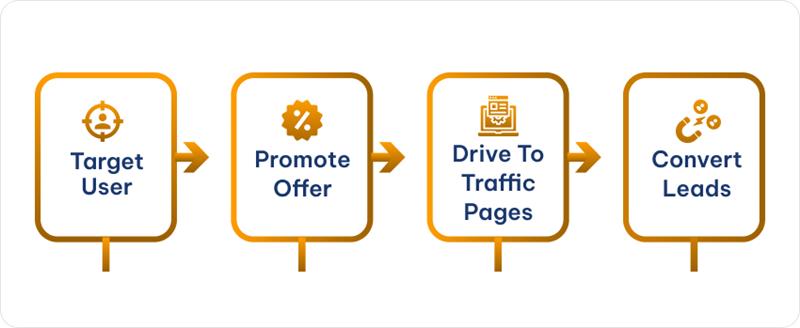
Advertising for a gym means using precise targeting, promoting offers, membership programs, and classes, and combining keywords in the ad message to drive traffic to a dedicated landing page. The aim is to reduce users’ hesitation and encourage more sign-ups.
Targeting Users Actively Searching for Fitness Solutions Nearby
Users seek gyms within a 2-6 km radius to reduce travel time and costs.
Gym owners should try to target potential leads within this range using keywords like “gym near [location]” and “budget-friendly gym in the [city],” along with signals of local intent and offers to convert high-intent searchers.
Promoting Offers Like Free Trials, Memberships, and Classes
In your fitness center ads, promote irresistible offers such as a free one-week trial, discounts on paid memberships, and fitness consultation services to convert individuals seeking a fitness solution.
Now, it’s time to foster and maintain engagement among converted users and offer add-ons, such as free wellness classes and premium gym services, including access to the sauna and massage. This is done to increase members’ lifetime value and their likelihood of becoming your promoters.
Driving Traffic To Landing Pages or Lead Forms
Based on your audience segmentation, create dedicated landing pages that align with the intent of your ad message to maintain users’ trust in your content.
For instance, lead-generation gym ads targeting working women should link to a page that highlights the benefits of exercise for women, addresses their pain points and hesitations, and motivates them with a clear CTA.
Similarly, you can create dedicated pages for athletes, men, students, and the elderly to make your content sound more convincing and consistent.
Hint: You can’t send your traffic to any random page. First, decide where you want to redirect traffic based on your goals, then create the ad copy.
Either you can send traffic to a landing page or a lead form. Both serve different purposes. A landing page is used to educate and build trust, whereas a lead form is used to convert prospects into members. So choose wisely.
Converting Leads via Follow-Ups, Calls, or In-Person Visits
Once you’ve captured your lead’s attention through fitness advertising, create follow-up ads to nurture interested prospects and encourage them to make an inquiry call or visit in person.
Try to reduce response times and improve overall results by incorporating automated, personalized messages and emails.
Unlock Explosive Growth: Personal Training Advertising Strategies That Convert Leads Into Clients
Gym Ad Creative Ideas for Converting Fitness Freaks
To create effective gym advertising copies and messages, you need a deeper understanding of customer funnels and how to create emotionally engaging yet informative messages that drive users to take action.
We’ve provided gym advertising ideas, organized by funnel, to help you better understand your audience’s requirements and pain points.
1. Educational Ads for Cold Audience
Initially, individuals express a desire for lifestyle changes, such as weight loss, improved posture, building strength, or building confidence, or want to address health-related issues like fatigue, high blood pressure, high cholesterol, heart disease, mood swings, stress, anxiety, or depression. They’re either conscious about their looks or want to address their health problems.
Users in this stage think about their fitness, but they’re not ready to join a gym yet. So, advertise your gym in a way that puts you as a healthcare and fitness expert. You can highlight the benefits of regular exercise, how to lower blood pressure, and how to manage mood swings to get your leads’ attention
Ad Goal: Increase brand awareness and recall.
Ideal Audience: Beginners who are intimidated by gyms but curious about fitness.
Ad Angel: Inspire change in day-to-day lifestyle.
Target Keywords: Target keywords that have informational intent, such as benefits of strength training, how to get fit, how to lose fat safely, benefits of daily exercise, stress relief through exercise, healthy lifestyle habits, and how to start a fitness journey.
The average cost-per-click is lower because these keywords are easier to target than high-intent keywords.
Ad Copy:
Healthy eating is one habit 🥗
Movement is the missing piece 🏃♀️
Fitness isn’t about being perfect.
It’s about moving a little more, feeling a little better—every day 💪
Learn how beginner-friendly workouts support weight balance, stamina,
and mental clarity.
Learn how you can start your fitness journey!
This ad copy will attract individuals interested in improving their lifestyle but haven’t yet decided to join a gym. With informative ad copy, it’s easier to inspire, encourage, and raise awareness of the gym.
Standard CTAs: Use soft CTAs such as Learn More, Save This Tip, Follow for Daily Wellness, Build a Healthier Habit, Join the Fitness Community, and Take the First Step for your lead-generation gym ads.
Ad Visuals:
- Every day, healthy cooking paired with physical exercise, such as yoga or a simple workout, builds stamina and supports mental health, inspiring people toward a better way of living.
- Show before–and–after lifestyle visuals of individuals with improved energy, posture, and mood, rather than body transformations.
- Reels showing a 30-minute daily walk improve sleep patterns.
Ad Results: Increases visibility among non-gym users, boosts follower count, drives more profile visits, leads to higher website traffic, and establishes you as a fitness influencer.
Advice: Remove the myths, such as joining a gym means lifting heavy weights or visiting the gym regularly. This way, you can target individuals who aren’t even actively searching for a gym, and that too without sounding promotional.
2. Nurture Ads for Warm Audience
Individuals have come to understand the importance of regular exercise. Now they’re more committed to making a change than they were in the awareness stage.
They research online and at local gyms to find fitness programs and workouts that are comfortable and don’t strain their budget. They check reviews, compare local online options, and seek suggestions from close friends.
Ad Goal: Increase trust and brand value. Remove hesitation and reduce drop-offs.
Ideal Audience: Engaged prospects from the awareness stage.
Ad Angle: Remove doubts, build brand confidence, and lead potential prospects closer to the decision stage.
Target Keywords: Use long-tail keywords ideal for local gym marketing to help users better evaluate options, such as gym vs. home workouts, fitness center reviews, personal training gyms, beginner-friendly gyms, gyms with flexible timings, and the best gym near me.
Ad Copy:
Not a gym person? That’s okay.
Our coaches guide you step by step—no pressure, no judgment.
Start with a free trial session and see how it feels.
Book Free Trial!
Standard CTAs: Try a Free Session, Check Class Timings, Get Free Assessment, Meet Our Trainers, Explore Membership Options, Compare Programs, View Class Schedule, and Talk to a Trainer.
Ad Visuals:
- Trainers helping beginners perform workouts.
- Drawing attention to gym equipment, services, and space.
- Gym members display free trial cards.
- A short clip showing what everyday life at a gym looks like.
- Reviews from loyal gym members.
- How flexible gym schedules can help maintain health amid a busy lifestyle.
Ad Results: Increase brand credibility and move potential leads closer to the decision funnel by removing hesitation through free trials.
Advice: Keep your gym ads informative and avoid promotional CTAs like “buy training equipment” or “join a membership program.”
Create different membership programs and introduce them with confidence. Some of the membership tiers you can create are pay-per-visit, monthly, yearly, family membership, employee-centric, multi-location access, and discounted memberships for the military, students, and the elderly.
3. Action-Driven Ads for High-Intent Audience
Users in this stage are all set to make their final call. They’re committed to breaking down and weeding out the gyms that offer better facilities, lower prices, better membership programs, and a better gym atmosphere.
You can address potential prospects’ inquiries and help them make quick decisions, thereby shortening the decision cycle. This makes it easier to reduce drop-offs and lower the business’s cost per acquisition.
Ad Goal: Build reassurance to increase sign-ups, enquiries, walk-ins, calls, and convert free trials into paid subscriptions.
Ideal Audience: Users actively searching or showing interest in fitness-related products and services.
Ad Angel: Create urgency through limited-time offers and limited slots. Tempt with captivating offers, discounts, and bonus sessions. Add convenience and display the end goals of your target audience – getting healthier and fitter. Ultimately, try to help potential prospects make quick decisions to turn their interest into revenue.
Target Keywords: Start your fitness journey, gym membership programs, fitness centers near me, post-pregnancy fitness gyms, safe gyms for women, speed-and-agility training gyms, fitness centers for seniors, best gym for bodybuilders near me, flexible-schedule gyms, and 24-hour gyms near me.
Ad Copy:
Certified Trainers For Seniors Near You!
Stay active and confident at any age. Senior-friendly gym with flexible
timings, safe workouts, exclusive discounts, and certified trainers.
Limited slots—enquire today.
Call Now / Book a Free Assessment!
Standard CTAs: Use promotional CTAs like Call Now, Walk In Today, Claim Offer, Get Membership, Sign Up Today, Reserve Your Spot, Join Before Offer Ends, and Enquire Now.
Ad Visuals:
- Show the walk-in moments of new members.
- Put focus on limited slots and offers.
- Show your gym building and the nearby surroundings.
- Display people who’ve started their strength training and have successfully purchased the paid memberships.
- Show contact information with clean fonts.
Ad Results: Increase lead calls and subscriptions and improve ROI.
Advice: Try to make the onboarding process smooth and frictionless to close more deals. Keep your membership program transparent with no hidden fees to maintain users’ trust.
4. Retention Ads for Existing Gym Members
Converting gym prospects usually takes longer, so you need to start preparing retention ads before the actual sign-up to keep users actively engaged and reduce marketing amnesia.
You also need to encourage members to continue with their paid memberships through upsell and cross-sell offers to increase their lifetime value.
Ad Goal: Reduce drop-offs, keep members encouraged, cross-sell and upsell products/services, and increase member loyalty.
Ideal Audience: Interested, existing, and previous gym members.
Ad Angel: Motivate members to appear regularly, promote complementary or add-on products/services, and increase referrals to reduce churn rate.
Target Keywords: Gym membership renewal, upgrade gym membership, nutrition consultation, Zumba / Yoga / HIIT classes, gym combo packages, member-only fitness offers, protein supplements, gym merchandise, fitness accessories, and workout gear.
Ad Copy:
Upgrade your membership. Unlock massage & sauna access.
Upgrade to our VIP membership program to enjoy massage therapy and sauna
access—designed to help you feel relaxed, recover faster, and train
stronger with exclusive discounts.
Unlock VIP Treatment!
Standard CTAs: Claim Your Wellness Perks, Enjoy Member-Only Benefits, Don’t Miss Out – Renew Now, Come Back to Stay Fit, and Upgrade with Exclusive Offers.
Ad Visuals:
- Display members relaxing in the massage and sauna room after their regular workouts.
- Show members enjoying boot camps.
- Shot reel featuring members wearing your merchandise t-shirts.
- Show your gym members spending their weekends training with friends or family.
Ad Result: Increases customer lifetime value, long-term relationships, and generates more loyal members.
Advice: Perform website and social retargeting to reduce drop-offs. Promote fitness apparel, supplements, and gear, and reward active members with discounts, points, or coupons to increase referrals. You can offer bundle plans, such as training with a nutritional diet plan.
Follow up with your prospects via email and WhatsApp to maintain engagement.
Use CRM tools to track which products and membership programs users are engaging with most. This will help you personalize your upsell and cross-sell products.
A checklist for your gym ads creatives:
- Creatives are clutter-free, and the message is easy to understand and readable.
- Includes realistic promises.
- Messages are created using the target user’s preferred language.
- Landing page speed and content are optimized.
- A/B testing of headlines, images, and format is performed.
- User personas are created, data is used, and value-driven offers are added.
- Messages are transparent and motivate towards a transformation rather than selling the program alone.
Tip: Don’t stop engaging with your audience after the decision stage. Avoid sounding promotional in your ads; instead, make your members feel they’re receiving value.
Best Weight Loss Ads Creatives to Boost Your PPC Campaigns in 2025
Top Channels Used for Gym Advertising
These are the top channels to advertise your gym creatives. Use an omnichannel gym advertising strategy to expand your reach and visibility among potential fitness seekers.
Search Engine Advertising
Use channels like Google and Bing to capture the attention of high-intent gym prospects who’re constantly searching for local gyms with high-class facilities. Appearing in search results for high-intent keywords improves call rates, gym visits, and paid subscriptions.
Social Media Advertising
Advertising your gym on social channels like Instagram, Facebook, and YouTube increases awareness, credibility, and retention because you’re appearing on the platforms where users spend most of their time.
Create informative yet visually engaging ads to inform, convert, and retain fitness aspirants. To create social media gym ads, refer to the section on gym advertising ideas mentioned above to learn how to target users at different stages.
Ad Networks
Ad networks display your gym ads on websites, apps, and content platforms in related niches and offer advanced targeting and high-quality bot-free traffic to reach users that matter for your gym.
Use 7SearchPPC, one of the most reliable and trustworthy ad networks, helping brands reach their target audience across funnels through robust targeting and intuitive ad formats. 7SearchPPC offers:
- CPM and CPC pricing models.
- Real-time conversion tracking.
- Targeting based on OS, device, and GEO.
- Ad formats: text, banner, native, popunder, and in-page push.
- Premium ad inventories from gym-related niches.
We also provide 24/7 ad manager support to help gym owners create engaging fitness center ads to scale local and regional exposure.
If you need help advertising your local gym or have questions about advertising, you can contact us. We would be delighted to help you and provide a reliable solution.
When is the Right Time for Gyms to Utilize Ad Networks?
Gym owners can start leveraging ad networks to increase visibility, maintain a steady flow of traffic, and grow memberships. You can start advertising your gym on an ad network when you want the following:
- When seasonal demand increases, you want to capture users’ attention towards your offers, discounts, and coupons.
- When you want to promote your new membership programs and boost free trials.
- When you want to increase brand awareness within a tight ad budget.
- When your membership program is stagnant, and you want to improve its performance.
There is no perfect time to join an ad network. It’s ideal to use an ad network alongside other advertising channels to maximize your ROI and keep growing your gym business.
Most Effective Ad Formats to Promote Your Gym Online
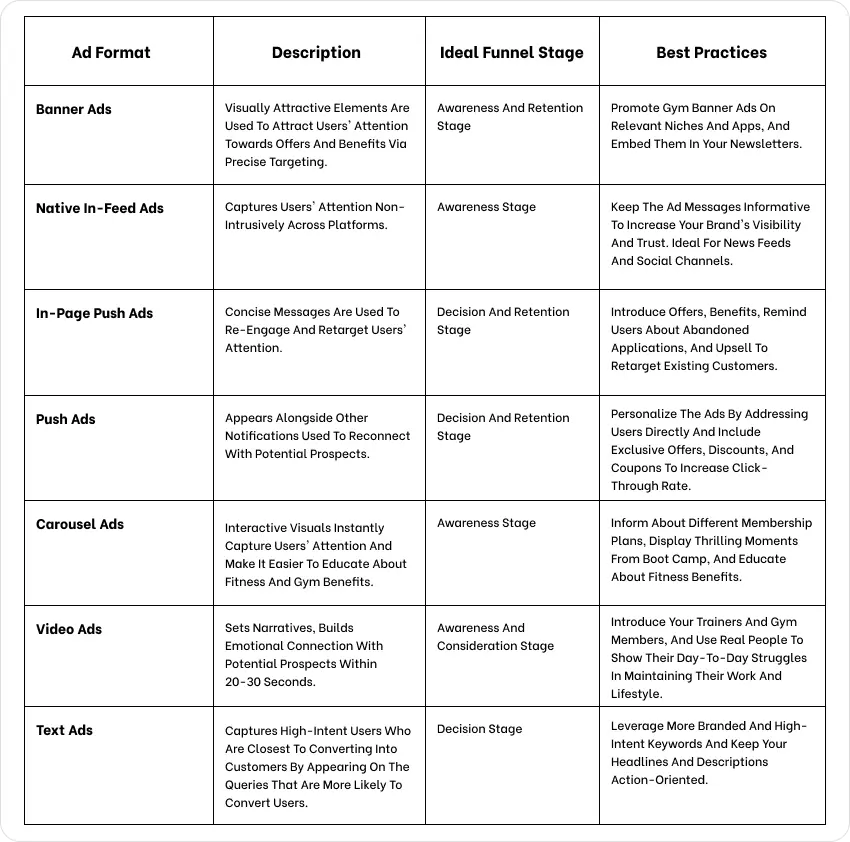
Leverage different formats to stay connected with users at different stages of the funnel. Banners, native, carousel, push, text, and video are among the most effective and efficient ad formats for promoting the facilities and products of local and online gyms, acquiring more potential leads, and increasing memberships.
Gym PPC Strategy: How to Plan, Launch & Scale
A detailed gym PPC framework helps you allocate your ad budget smartly, perform precise targeting, and optimize your bids in real time, to improve your membership sign-ups. Use the framework outlined below to spend your budget on the clicks that matter for your business.
1. Allocate Budgets Based on Peak Seasons
Gym demand constantly fluctuates with the season. Optimizing the ad budget for seasonality and user behavior helps prevent overspending, allowing you to allocate funds to high-intent periods.
High-Peak Seasons for Gym Advertising
- Summer Breaks (May – July): Summer breaks are ideal for capturing students’ attention and keeping users engaged with the services they’ve opted for.
- Post-New Year (January – February): People are more committed toward their New Year’s resolutions, leading to more sign-ups and trials.
- Festive Season (October – November): During major festivals, users are actively looking for better deals and discounts before joining a gym.
The wedding and monsoon seasons are low-motivation periods for gyms, as people either love to prepare and shop to make the events more memorable and fun or don’t feel the gym vibe.
Advertising Tip: Reduce your advertising budget during low-demand seasons and focus on maintaining engagement with existing members through exciting offers, upselling premium services, and building a prominent brand image. Test and scale your ad budget gradually.
2. Location-Based Targeting
Radius-based campaigns drive more walk-ins to your local gym, and geo-targeting helps you reach potential users across multiple locations to sustain your gym’s growth.
How to Perform Geo-Targeting:
- Target users within a 2-8 km radius.
- Use location-based keywords.
- Create dedicated landing pages.
Advertising Tip: For local gym marketing, ensure your Google Business Profile is optimized with accurate information and compelling images so it can appear on Google Maps and in search results.
3. Segment Campaigns by Membership Type or Service
By segmenting campaigns based on membership type and services, you can spread awareness about your potential membership programs to have more sign-ups.
- Membership Campaigns Highlighting the Timeframe: Create separate campaigns to promote your monthly, quarterly, and annual memberships and inform potential prospects about the options available to them.
- Class-Wise Campaigns: Create campaigns to promote classes such as Zumba, HIIT, Aerobics, and Pilates that are relevant to users’ intent.
- Personal Training Campaigns: Raise awareness of one-on-one personal gym training sessions to attract users seeking personal trainers.
- Online-Workout Facility: Due to busy schedules and limited time to maintain personal health, people look for gyms that offer online workout options to save on travel time and costs.
- Membership Program for New Mothers: Encourage new mothers to join gyms to reduce the risk of postpartum depression and to look after their toddler while staying fit.
- Advertising Tip: Segment users by membership type to improve ad relevance, quality score, and membership ROI.
4. Optimize Bids for Leads, Calls, or Visits
Optimize your PPC bidding strategy based on your business goals to drive conversion beyond clicks.
- Lead: Increase your bids for high-intent keywords and promote free trials and consultations to convert more potential prospects.
- Calls: Advertise and increase bids during peak inquiry hours. For gyms, peak inquiry hours fall between 4:30 and 8 PM, including early mornings, lunch breaks, and evenings. You can bid on keywords like speak to an expert, women’s fitness classes [call for a free trial], and free consultation call.
- Walk-ins: Bid on keywords such as “best hygienic gym in [location],” “cardio [near your location],” and “budget-friendly strength training [within 2 KM],” and target users in specific locations.
Advertising Tip: Promote your ads with your gym address, contact information, and social channels to build trust, increase enquiries, and walk-ins.
5. Separate Mobile and Desktop Strategies
Based on your target audience’s demographic details and behavior, determine which devices they prefer for online content consumption to increase profits from your gym ads. Increase bids for devices that generate more calls, visits, and potential prospects.
How to Measure Success in Gym Advertising
Use the following KPIs to measure campaign performance and identify areas for improvement.
1. Visibility & Engagement Metrics
Visibility and engagement metrics help determine how effectively your gym ads reached and engaged potential leads.
- Ad Frequency: Average number of times a gym ad is shown to users.
- Reach: Total unique views the advertisement received.
- Impression: Number of times the gym advertisement appeared.
- Click-Through Rate (CTR): Number of users who clicked the ad.
- Social Media Engagement Rate: Total likes, comments, and shares the ad received.
2. Lead & Membership Growth Metrics
These metrics are used to determine how many users converted into paid members.
- Membership Sign-Ups: Number of users who have completed the sign-up process.
- Trial-to-Member Conversion Rate: Number of users who have successfully converted from free trials to paid memberships.
- Call and Form Submissions: Number of enquiries received from gym ads.
- Walk-In Rates: Total number of users who made an offline visit.
3. Retention, ROI & Local Impact Metrics
These metrics are used to measure campaign revenue, members’ loyalty, and their likelihood to become a referral.
- Customer Lifetime Value (LTV): Total revenue generated from a member throughout their interaction with your brand.
- Member Retention Rate: Total number of members who renew their membership over a specific period.
- Return on Investment (ROI): It’s the total profit generated divided by the total amount you spent on the campaigns.
- Cost per Lead (CPL): It’s the total cost spent to generate a potential lead.
- Cost per Acquisition (CPA): It’s the total cost spent to generate a paid membership.
- Net Promoter Score (NPS): It measures a member’s likelihood of promoting your gym services on a scale of 0-10.
Common Gym Advertising Mistakes that Waste Ad Budget
Broad targeting, excessive discounting, and poor follow-ups are common advertising mistakes that gym owners should avoid to ensure their fitness gym advertisements deliver real results.
Broad Targeting
Targeting a broad audience is a poor strategy for gym marketing. It’s better to segment gym advertising campaigns by audience, behavior, interests, intent, and location to reach potential fitness enthusiasts rather than try to capture everyone’s attention.
Over-Discounting
Heavy discounts like 25% OFF might help hold users’ attention, but they don’t guarantee long-term engagement with your brand. Thus, it’s good to offer value-driven incentives such as 15-day free trials, free sessions with trainers, and limited-time access to the community to convert interested and determined fitness freaks.
Poor Follow-Up
This is where most gyms lose leads and money. Users will think and compare extensively before deciding to join a gym. Most advertisers don’t create nurturing ads in their gym marketing strategy, which causes most users to slip through their hands. Create fitness gym advertisements that spark motivation, encourage action, and remind them of the gym’s benefits, such as free trial classes.
Ignoring Trust Signals
Users thoroughly review a gym’s online presence to feel reassured, so including trust signals such as members’ reviews, trainers’ certificates, and shared gym photos is imperative to build confidence among potential prospects, yet most advertisers miss this.
Advice: Try to avoid promoting a generic message and provide fast, personalized, and consistent follow-ups across platforms.
The Future of Gym Advertising (And How to Stay Ahead)
Post-pandemic, people have become more health-conscious than ever before. They are now making healthy lifestyle changes and paying more attention to their health. This has increased demand for local gyms among fitness enthusiasts.
Gym advertising trends to look forward to:
- Use of more AI and CRM automation tools to develop smart gym marketing strategies.
- Use of more in-house user data to adjust advertising budget in real time.
- Increase in funnel-based digital advertising strategy to better understand the pain points of users and deliver intent-focused messages.
- Advertisers will create an omnichannel advertising strategy as multiple touchpoints are needed to help users make a final decision.
- Short-form videos, along with story and feed ads, will dominate and help raise more awareness.
- Advertisers will spend more time understanding their users’ behavior and intent.
To stay ahead, analyze what your competitors are doing and how you can differentiate your brand. Constantly monitor and track your performance to make real-time changes and avoid wasting your ad budget. Focus on creating a community-led advertising strategy to increase retention, upsell, and referrals in 2026.
Turning Gym Ads into Consistent Membership Growth
Gym advertising has a bright future ahead, as more people are showing interest and a desire to join a gym. Using the strategies and tips we’ve mentioned above, you can easily capture your potential users’ attention and convert them into paid members to increase your local growth.
Use 7SearchPPC as your advertising channel to promote your offers to users with the highest likelihood of converting into members. We’ll help you overcome the challenge of creating high-converting gym ads for fitness enthusiasts.
Frequently Asked Questions
Online vs offline, which gym ads work better?
Ans. Both online and offline gym advertisements are effective. However, online ads allow you to remove geographic limitations, craft tailored ad messages that align with different users’ intents, and increase brand recall.
Is it possible to upsell in gym advertising?
Ans. Yes, you can upsell apparel, bags, mugs, resistance bands, mats, supplements, and other accessories to boost customer lifetime value.
How much should I spend on gym advertising as a small gym owner?
Ans. Gym owners can invest 5-10% of their revenue in advertising and gradually increase the budget during peak seasons. It’s recommended to keep a close track of revenue to adjust the budget in real time and avoid ad waste.
Is social media advertising effective for my gym business?
Ans. Advertising gym services on social media increases brand awareness, builds trust, and promotes offers that convert potential leads into paid members.
How to get more paid gym members?
Ans. Value-based offers and social trust-building elements bring in more paid members without devaluing the brand image.
Does landing page speed affect gym advertising revenue?
Ans. Users want quick responses. Even a one-second delay can cause users to bounce back without consuming the fitness content, affecting overall gym advertising revenue.
Are retention ads useful?
Ans. Retention ads primarily fall under the consideration and decision stages, created to keep members motivated, engaged, and faithful through engagement-focused ads.