Marketing in healthcare comes with a unique kind of pressure. You need to be fast, but careful. Creative, but compliant. And scalable, without losing trust. For many healthcare brands and affiliates, the biggest challenge isn’t coming up with ideas — it’s repeating the same hard work every time a campaign needs to grow. Landing pages, messaging, approvals, promotions… it all adds up.
But healthcare campaign scaling does not have to mean starting over. The healthcare marketers growing their campaigns fastest today are the ones who build strategically from the start and expand smartly.
In this blog, we’ll explore how healthcare marketing and promotion can be scaled efficiently. You’ll learn how brands and affiliates can drive results without rebuilding campaigns from scratch.
Boost Your Healthcare Marketing Campaigns Now!
What is Healthcare Marketing?
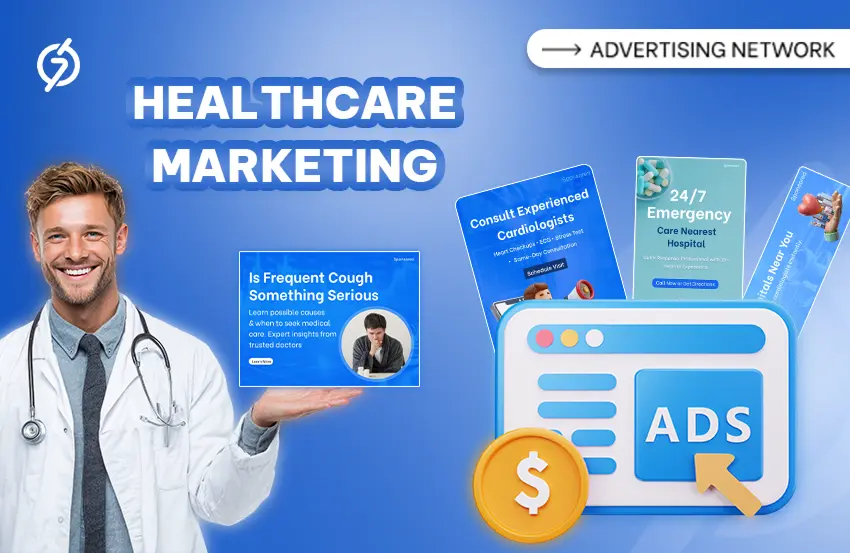
Healthcare marketing is the practice of promoting healthcare services, organizations, and health-related products in ways that educate, build trust, and connect patients with care—while following strict ethical and legal standards.
In simple terms
It’s how hospitals, clinics, doctors, health systems, insurers, health-tech companies, and affiliates communicate their value and promote health offers to patients and communities, and help people make informed healthcare decisions.
The Unique Nature of Healthcare Marketing
Before discussing scalability, it’s important to understand why marketing in healthcare is fundamentally different from other industries. We have researched several key points that explain why the healthcare industry differs from others from a marketing perspective.
High Regulatory and Compliance Requirements
Healthcare marketing and promotion are governed by strict regulations, such as:
- HIPAA (Health Insurance Portability and Accountability Act)
- FDA marketing guidelines
- FTC rules on endorsements and testimonials
- GDPR and global data privacy laws
- Country-specific health-related marketing regulations
Any health marketing campaign must be accurate, transparent, non-misleading, and compliant, which makes rapid experimentation more difficult for brands and affiliates.
Generating Trust and Credibility
Trust is the foundation of healthcare marketing and promotion. Patients are not just purchasing a service—they are placing their health and safety in the hands of providers and organizations.
Healthcare marketing must focus on:
- Establishing medical expertise and authority
- Providing educational, evidence-based content
- Communicating empathy and patient-centered care
Unlike other industries that rely on impulse-driven marketing, healthcare demands credibility and long-term trust-building.
Long and Complex Customer Journeys
Healthcare customer journeys are rarely linear. Patients don’t make quick decisions until they feel informed, reassured, and confident in their choice. Healthcare decisions often involve:
- Research and comparison
- Professional recommendations
- Multiple touchpoints (ads, blogs, emails, affiliates, social media)
- Extended consideration periods
The only option available to healthcare marketers is to convince their ideal customers by reaching them across multiple touchpoints. This requires optimizing the entire funnel, not just the top, which distinguishes healthcare from other industries in terms of marketing.
Highly Competitive Market Environment
The healthcare industry is increasingly competitive, with many organizations offering similar services and solutions. At the same time, ethical and regulatory constraints limit aggressive marketing tactics. Healthcare marketers must differentiate through:
- Quality of care and patient outcomes
- Specialized expertise or advanced technology
- Patient experience and accessibility
- Reputation, reviews, and community presence
In the healthcare industry, success depends less on promotional intensity and more on meaningful value differentiation.
Why Rebuilding Campaigns From Scratch Slows Growth
Rebuilding marketing campaigns in the healthcare industry from scratch often feels like a fresh start—but in practice, it usually slows growth. Here’s why.
Time and Resource Drain
Creating new campaigns from scratch requires:
- New creative assets
- New copywriting
- Fresh compliance reviews
- New tracking and analytics setups
This process is slow and expensive, especially in healthcare. When your goal is to promote health offers and drive conversions quickly, you can’t afford to lose time and resources.
Inconsistent Messaging Across Channels
When healthcare marketing and promotion campaigns are rebuilt repeatedly:
- Brand voice becomes inconsistent
- Claims and disclaimers vary
- Affiliate promotions may misalign with brand positioning
Over time, this inconsistency in messaging across healthcare marketing channels erodes trust, increases compliance risk, and weakens brand credibility—ultimately slowing sustainable growth.
Loss of Proven Performance Data
Starting over means ignoring:
- Historical performance insights
- Winning creatives and funnels
- Audience behavior patterns
When healthcare marketing campaigns are rebuilt from scratch, the performance data tied to previous campaigns no longer carries over. As a result, new campaigns start without valuable insights—much like walking in the dark.
Top Marketing Channels Used by Healthcare Marketers
While there are many channels to promote healthcare products and services, not all deliver meaningful results. Below are the most commonly used marketing channels in the healthcare industry.
1) Search Engine Optimization (SEO)
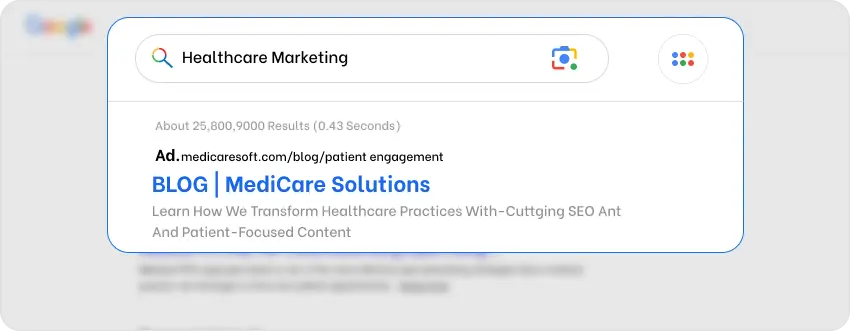
SEO is all about making your healthcare website easy to find on Google and other search engines. When people search for healthcare services and information similar to or related to your offerings, SEO helps your healthcare website or pages appear in the SERPs.
Healthcare marketers use SEO to:
- Target the right keywords (like “best healthcare services”).
- Optimize website content so it’s clear and helpful.
- Improve site speed and mobile-friendliness, which Google and other search engines love.
- Gain a competitive edge.
When your healthcare brand is visible for relevant and branded keywords, more people can find your services exactly when they need them. Even if they don’t need your services immediately, they become aware of your brand and are more likely to choose it in the future when they require healthcare products or services.
2) Paid Advertising
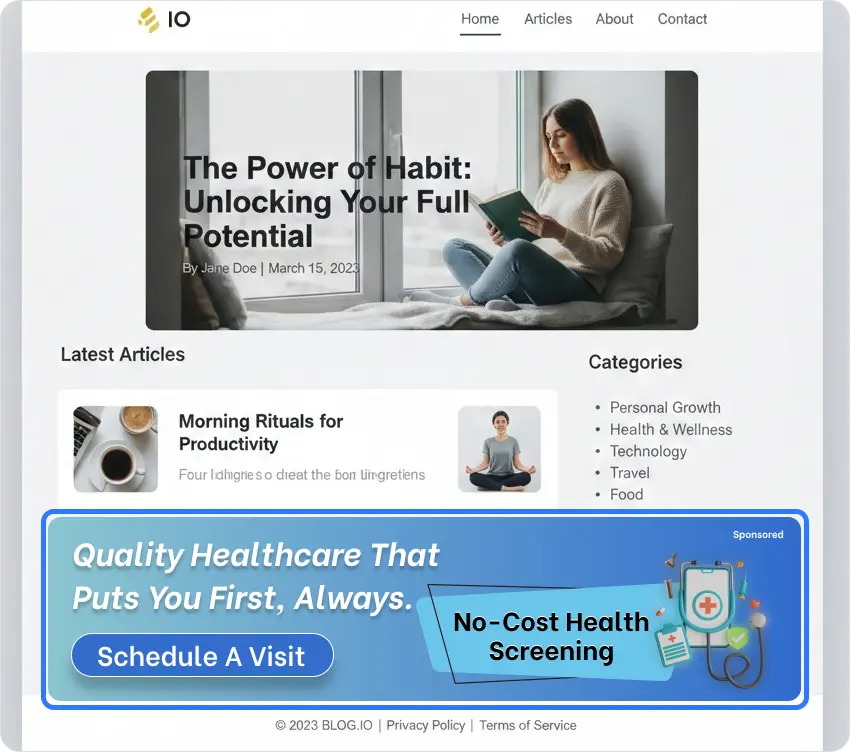
Along with SEO, paid advertising is one of the most popular marketing channels used by healthcare marketers today. While SEO helps bring in organic traffic over time, paid advertising helps marketers get quick visibility and immediate results.
In paid advertising, healthcare marketers pay to promote their products, services, or health offers across different digital platforms through ads. These ads can appear in many places—on websites, mobile apps, blogs, search engine result pages, and even inside social media feeds. Wherever the audience is active, paid advertising helps healthcare brands show up there.
Healthcare marketers usually use the following paid advertising channels:
- Healthcare Advertising Networks – Healthcare ad networks, like 7SearchPPC, specialize in healthcare traffic and allow marketers to promote offers on relevant medical and wellness websites/blogs.
- Search Engines– Search engines like Google help marketers increase visibility by running paid ads that appear for specific healthcare-related searches.
- Social Media Platforms – Social media platforms like Facebook help marketers reach targeted audiences by promoting healthcare ads within social feeds and stories.
Although paid advertising requires a budget, it’s considered one of the most proven healthcare traffic sources. It gives healthcare marketers better control over targeting, visibility, and performance. When done strategically, it helps generate quality leads, increase brand awareness, and drive consistent results.
3) Social Media Marketing
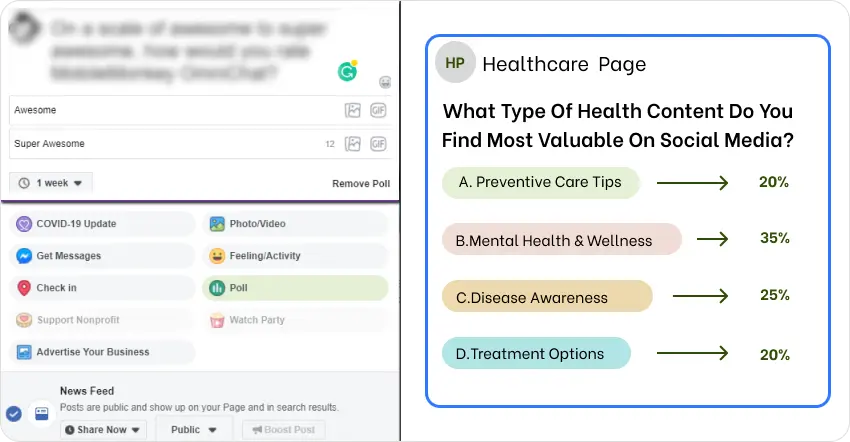
Healthcare marketers actively use social media to connect with people in a more personal and interactive way. Platforms like Facebook, Instagram, LinkedIn, and even YouTube help healthcare brands stay visible and build trust over time.
Instead of just promoting services, marketers focus on engagement and education. Social media allows them to start conversations and answer common health-related questions in a clear, approachable, and patient-friendly way.
Some common ways healthcare marketers use social media include:
- Polls and questions to understand what users care about or struggle with
- Regular updates about health tips, services, or awareness days
- Short quizzes that educate users while keeping things fun
- Live sessions or webinars where doctors or experts talk directly to the audience
- Patient stories and testimonials (while following privacy rules)
By showing up consistently and sharing helpful content, healthcare brands build credibility and stay top of mind.
4) Affiliate Marketing
Affiliate marketing is another effective channel in the healthcare industry for expanding reach without spending heavily upfront. In this model, brands partner with healthcare affiliate networks or affiliates—such as bloggers, content creators, publishers, or healthcare-focused websites —who promote their products or services to their audiences.
Affiliates share referral links with their audiences across various digital platforms. When someone clicks on those links and takes an action, the affiliate earns a commission. The action could be:
- A website visit
- A phone call
- Filling out a form
- Booking an appointment or making a purchase
In healthcare affiliate marketing, commissions are pre-determined and paid only when results are delivered. This makes affiliate marketing a low-risk, healthcare performance marketing-based strategy for businesses.
5) Email Marketing
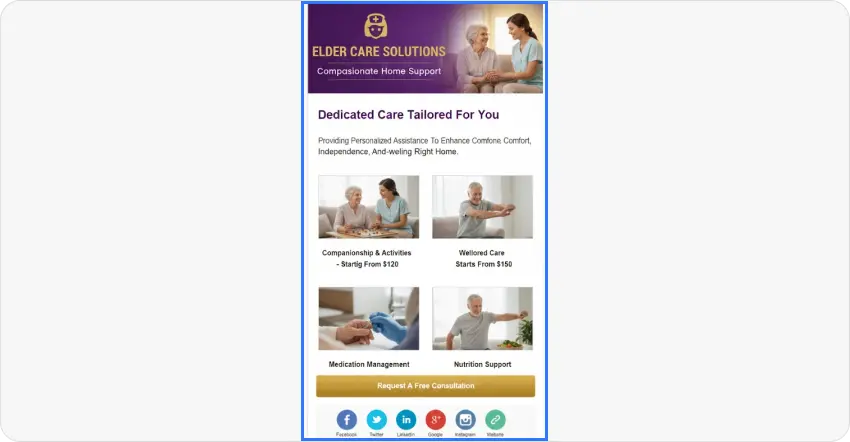
Email marketing is one of the most reliable channels healthcare marketers use to stay connected with patients in a personal and trusted way. It helps healthcare providers share useful information, build long-term relationships, and encourage patients to take action.
Healthcare marketers use email for different purposes, such as:
- Welcome email sequences to introduce the brand and set expectations right after someone signs up.
- Educational newsletters to share health tips, updates, and expert advice on a regular basis.
- Appointment reminders and follow-ups to reduce no-shows and keep patients engaged after visits.
- Health awareness campaigns to inform people about specific conditions, screenings, or seasonal health concerns.
- Service promotion emails to highlight new treatments, facilities, or special healthcare services.
- Patient reactivation campaigns to reconnect with inactive patients and encourage them to return.
The best part about this channel is that it delivers messages directly to the targeted audience or customers in a personalized way without sounding forceful.
6) Content Marketing
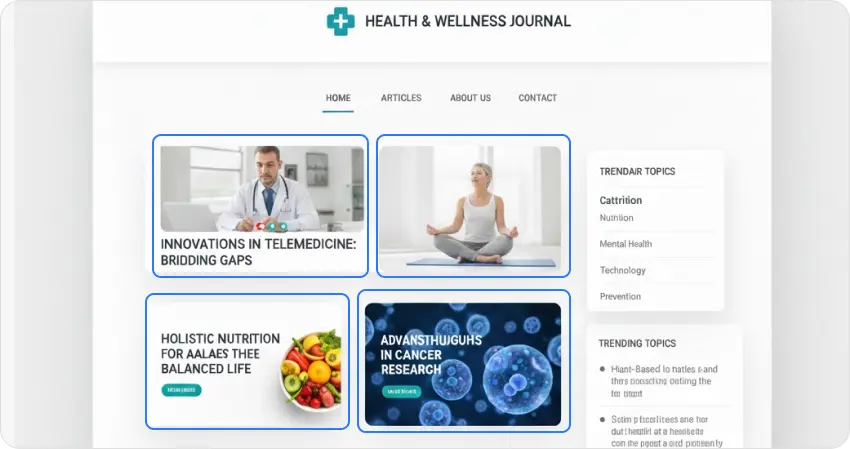
Content marketing is one of the most trusted ways healthcare marketers connect with patients. Instead of directly selling healthcare services, marketers share helpful and educational content that answers real questions people have. This builds trust, which is very important in the healthcare industry.
Healthcare marketers use content marketing in many simple ways, such as:
- Writing blog posts about symptoms, treatments, and wellness tips
- Creating patient success stories and case studies
- Sharing educational videos, infographics, and FAQs
- Publishing content that explains complex medical topics in easy language
When content is clear, honest, and useful, patients feel more confident choosing a healthcare provider. Over time, good content helps build credibility, improve visibility, and support long-term patient relationships.
How to Scale Up Healthcare Marketing Campaigns Without Starting Over
When it comes to healthcare campaign scaling, many marketers believe it’s better to start from scratch, but this approach often backfires. Here are some expert tips to help you scale up your marketing campaigns easily—without starting over.
Audit Existing High-Performing Campaigns and Scale Budgets on Proven Channels
Before scaling a campaign, use past data insights to identify scaling opportunities. Look at what’s already working. Some campaigns are quietly delivering the results, and scaling those is much safer than starting fresh. When you invest more in proven channels, you reduce risk and improve returns.
Here’s what you can do:
- Review campaigns with the best conversions and lowest cost per lead.
- Increase budgets slowly instead of making big jumps.
- Focus on channels already bringing qualified patient leads.
- Pause or reduce spending on underperforming campaigns.
- Track results closely after every budget increase.
Expand Targeting Gradually and Strategically
Scaling doesn’t mean targeting everyone at once. Expanding step by step helps you maintain quality leads while controlling costs.
Here’s what you can do:
- Add nearby locations or similar audience segments first.
- Test new age groups or interests slowly.
- Use lookalike or similar audiences based on existing patients.
- Monitor lead quality as you expand.
- Pull back quickly if performance drops.
Repurpose Existing Ad Creatives, Content, and Messaging Across New Platforms
If a message works on one platform, it can often work elsewhere with small tweaks. Repurposing saves time, money, and keeps your branding consistent while scaling.
Here’s what you can do:
- Extend the lifecycle of top-performing creatives by deploying them cross-platform.
- Adapt blog content into social posts.
- Reuse patient testimonials across platforms.
- Adjust formats without changing the core message.
- Test variations instead of creating from scratch.
Focus on Follow-Ups and Retargeting to Maximize Value From Existing Leads and Traffic
Not every patient converts on the first visit. Strong follow-ups and retargeting help you get more value from the traffic you didn’t convert on the first attempt.
Here’s what you can do:
- Set up retargeting campaigns for website visitors
- Use email or SMS follow-ups for inquiries
- Remind users about services they viewed
- Highlight trust signals like reviews or certifications
- Keep messaging helpful.
Optimize Landing Pages and Funnels
Driving more traffic to a weak landing page wastes budget. Small improvements to landing pages can significantly scale your healthcare marketing campaigns.
Here’s what you can do:
- Simplify forms and reduce unnecessary fields.
- Improve page load speed and mobile experience.
- Make calls-to-action clear and visible.
- Add patient reviews and credibility elements.
- Test changes before increasing ad spend.
Use Analytics to Guide Scaling Decisions
Scaling without data is guesswork. Analytics help you see what’s working in real time, so you can make confident decisions.
Here’s what you can do:
- Track key metrics like CPL, conversions, and ROI.
- Monitor performance across all channels in one place.
- Spot issues early before they become costly.
- Use data to justify budget increases.
- Make adjustments based on data.
Conclusion
Healthcare marketing doesn’t have to feel like restarting from zero every time you want to grow. When you focus on what’s already working—your data, creatives, funnels, and trusted channels—you can scale smarter and faster without losing compliance or credibility. Small, strategic improvements go a long way. By repurposing assets, optimizing funnels, and using insights wisely, healthcare brands and affiliates can grow consistently while saving time, effort, and budget.
Frequently Asked Questions (FAQs)
What is healthcare marketing?
Ans. Healthcare marketing is the process of promoting healthcare services, products, or health offers while educating people and following strict legal and ethical rules.
Why is healthcare marketing different from other industries?
Ans. Healthcare marketing requires high trust, strict compliance, and clear communication because it directly impacts people’s health and safety.
What are the most effective healthcare marketing channels?
Ans. The most effective healthcare marketing channels include SEO, paid advertising, social media, affiliate marketing, email marketing, and content marketing.
How can healthcare marketing campaigns be scaled without starting over?
Ans. Healthcare marketing campaigns can be scaled by increasing budgets on winning campaigns, repurposing content, expanding targeting slowly, and using past data.
What is a healthcare advertising network?
Ans. A healthcare advertising network connects advertisers with healthcare-related websites, blogs, and apps to run targeted healthcare ads.