Core Insights!
- In China, mobile shopping continues to grow, accounting for over 80% of total online shopping transactions.
- Not starting early is one of the biggest holiday advertising mistakes, which makes it harder for advertisers to reach their holiday ad revenue goals.
- Holiday ads crafted in native languages convert at a higher rate.
- By launching pre-holiday campaigns, you can buy cheap clicks, build strong brand recall, and drive more conversions by the end of the season.
- Festive season marketing strategies crafted around advertising goals and target audience drive better conversion results.
Every Q4, advertisers invest heavily in holiday advertising campaigns and wonder why their revenue doesn’t match their spend. Usually, the gap comes down to timing.
Diwali shoppers start hunting for discounts in late September. Halloween interest builds around the same time. Black Friday deal-hunters begin comparing prices weeks before the sale goes live. Meanwhile, your holiday campaign is still in the planning doc.
By launching pre-holiday campaigns, you can engage early shoppers and get a strong start without a big advertising budget.
In this guide, we’ll walk through when to launch your Q4 holiday ad campaigns, which targeting and creative strategies work best, and the common mistakes to avoid.
Benefits of Starting Holiday Advertising Early
Brands that launch their Q4 holiday ad campaigns early gain several benefits, including:
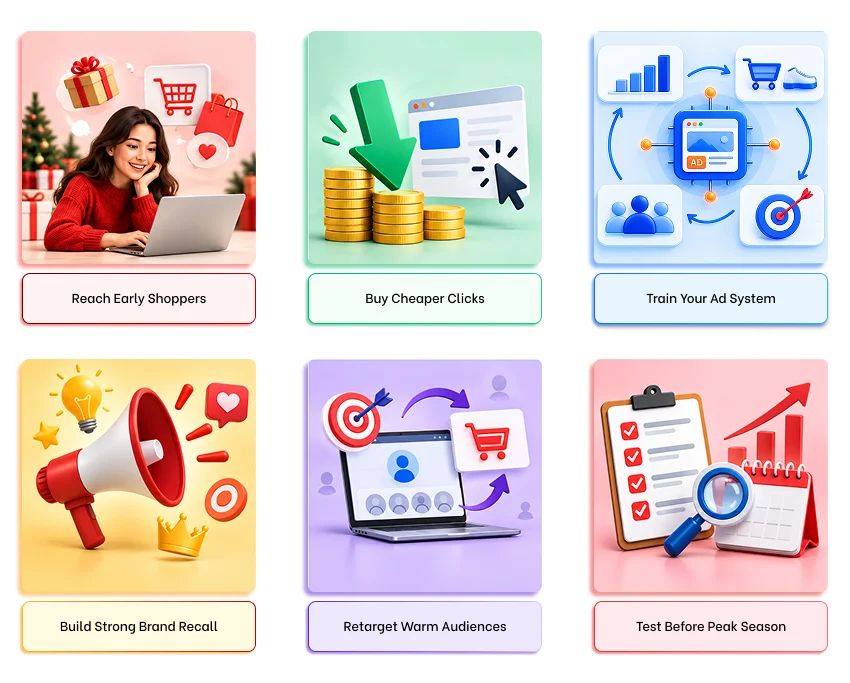
- Reach Consumers Who Plan to Shop Earlier: In 2026, 44% of shoppers have already planned to shop earlier to avoid the last-minute rush. By launching pre-holiday campaigns with relevant offers, you can convert high-intent users seeking product or service recommendations before the festival and increase your ROAS.
- Reach Your Audience at a Lower CPC: In the pre-holiday stage, CPC bids are typically lower than in peak season. So, if you launch your holiday campaigns earlier, you can buy cheaper clicks and save budget for peak seasonal moments, when keyword and placement bids get more expensive.
- Give the Ad System Time to Learn and Optimize: Starting early gives the advertising system enough time to learn from conversion data and optimize performance. Your ad system’s algorithm can optimize bids more precisely and help you acquire more conversions within your set CPA goal when the season is in full swing.
- Create Strong Brand Recall: Through your pre-holiday ad campaigns, you can capture audience attention by repeatedly showing your ads in prominent slots, increasing the likelihood that consumers choose your brand for their holiday shopping.
- Retarget More Effectively: If you create pre-holiday campaigns, you’ll have users who’ve already interacted with your brand, either by signing up, adding a product to their cart, or completing a purchase. You can use this data to retarget them with your peak seasonal campaigns based on their interactions with your brand to increase your overall holiday revenue.
- Experiment With Multiple Variations Before Peak Season: You can test your holiday marketing campaigns with different segments, then increase budget for the campaigns that successfully grabbed your audience’s attention to improve overall campaign performance.
Q4 holds the year’s highest revenue potential. So don’t rely on peak-season campaigns alone. Make pre-festive campaigns a core part of your festive advertising strategy to improve your ROAS.
The 2026 Holiday Advertising Calendar & Best Practices
Below is the 2026 holiday ad calendar and advertising strategies that’ll help you get the most from the festive season.
| Holiday Event | Date | When to Launch Campaigns |
| Chinese National Day | October 1 | 3-4 weeks before the event |
| Halloween | October 31 | Late September |
| Diwali | November 8 | Late September – mid-October |
| Singles’ Day | November 11 | 10 days before peak-season campaigns |
| Thanksgiving | November 26 | 2-3 weeks before the festival |
| Black Friday | November 27 | 6-8 weeks before Black Friday |
| Cyber Monday | November 30 | 6-8 weeks before Cyber Monday |
| Christmas and Boxing Day | December 25 and December 26 | Right after BFCM |
| New Year’s Day | January 1 | 1 month before the event |
Chinese National Day
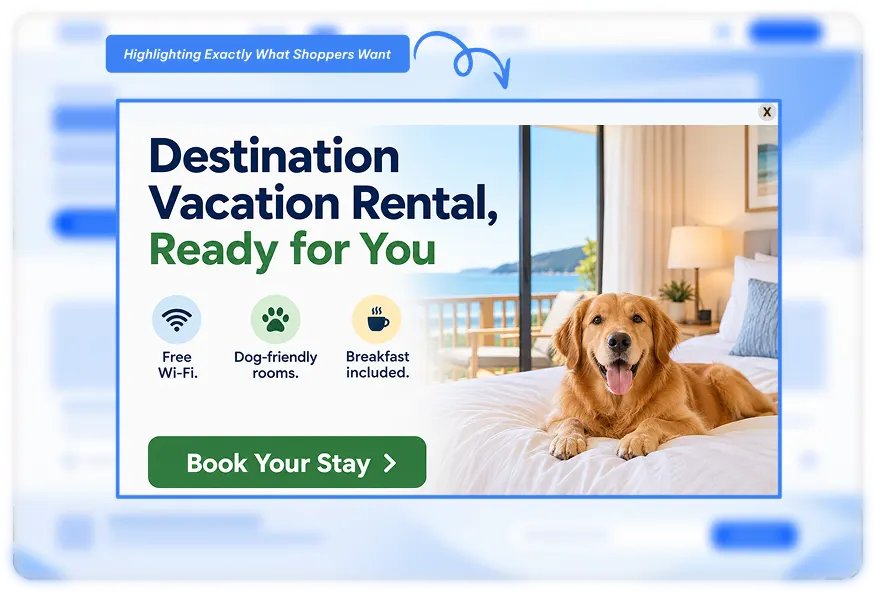
Chinese National Day is a golden week for retailers, as it’s a 7-8 day national holiday period where consumers in China watch parades and fireworks and do a lot of shopping and traveling. Running pre-festive advertising campaigns 3-4 weeks before the event helps you build brand awareness and convert more users with your holiday promo ad ideas.
Holiday Advertising Best Practice: In China, mobile shopping accounts for over 80% of total online transactions. Chinese users rely heavily on mobile devices to compare products/services and complete their purchases. For your pre-holiday campaigns, target mobile devices and redirect PPC traffic to pages with optimal speed and UX. After running your campaigns for a set period, analyze landing page performance, then scale your peak seasonal campaigns with the pages that drove the most engagement.
Halloween
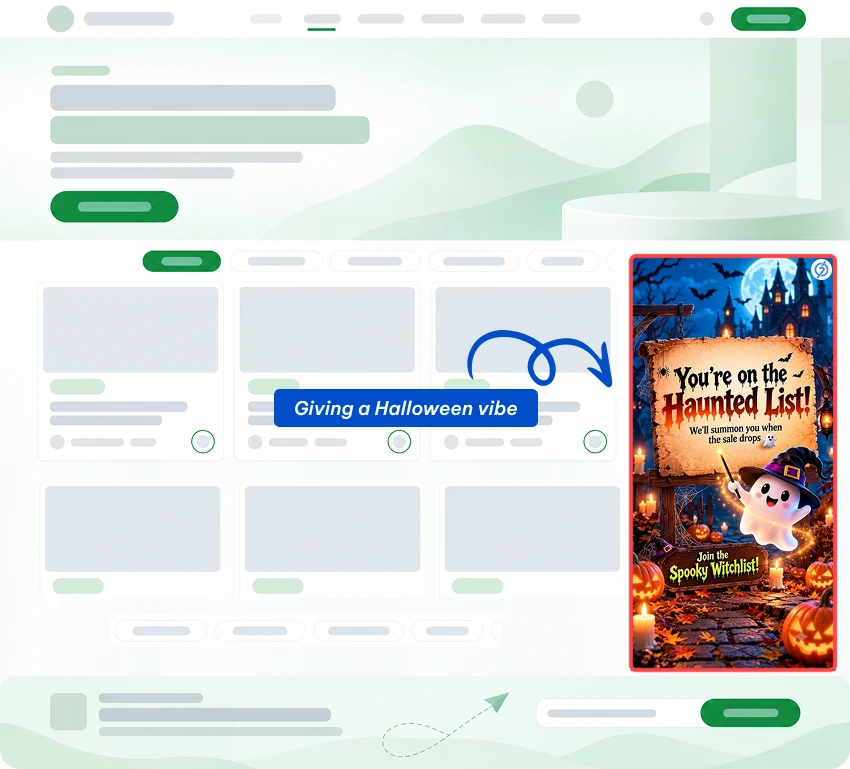
Halloween kicks off the festive season with spooky vibes, costumes, and, of course, plenty of fun tricks and treats. It’s most popular in the US, Canada, the UK, and Ireland, but it’s also growing across Asia, Europe, and the Middle East.
Holiday shoppers look for brands that offer great deals and early access, so launching Halloween ad campaigns in late September will help you stay top-of-mind and drive engagement before competition for “costume near me” and “last-minute costume” intensifies.
Holiday Advertising Best Practice: Targeting the entire country isn’t feasible; it only wastes your budget. Instead, target specific locations where Halloween is most popular and where users are willing to spend more. After a few weeks, analyze your pre-campaign performance and eliminate the locations that didn’t drive the desired conversions. This lets you launch your peak seasonal campaigns only in the profitable locations. 7SearchPPC’s GEO targeting lets you do that precisely.
Launch Your Pre-Festive Campaigns With 7SearchPPC
Diwali
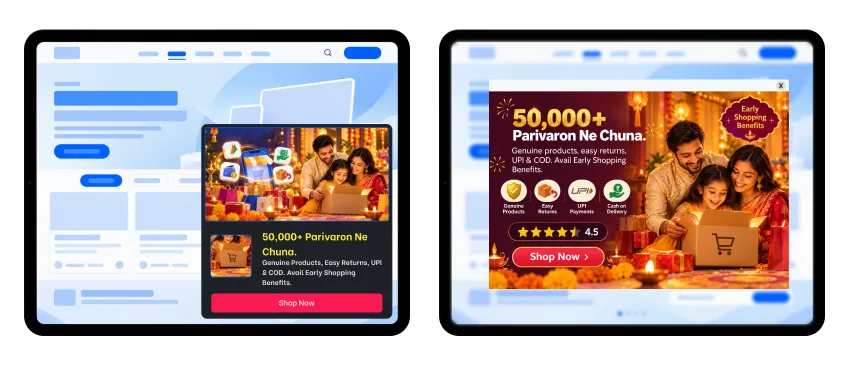 During Diwali, family members gather to celebrate and make shopping decisions together. Indian shoppers begin looking for discounts in late September and continue through mid-October. They thoroughly evaluate brand reputation before making their final purchasing decisions.
Holiday Advertising Best Practice: Use a mix of ad formats in your pre-holiday advertising strategy, then analyze which one drives more engagement so you can optimize your Diwali campaigns and reach shoppers with the most effective ads.
For instance, you can use push notifications to stay within your users’ browser notification settings and interstitial ads to capture their full attention the moment they transition to another page. Run push and interstitial ads side by side for 10 days with the same ad copy and budget, then compare performance to see which format drives better engagement and conversions. Choose the winner to promote offers during Diwali.
Instead of stating that “Diwali shopping discounts begin” in your ad copy, focus on why shoppers should trust your brand. Use real testimonials and customer ratings, and highlight policies in the native language. A mix of Hindi and Hinglish will build strong brand recall via your pre-holiday ad campaigns. You can also highlight Indian payment methods like UPI in your ads to boost conversions instantly.
Singles’ Day
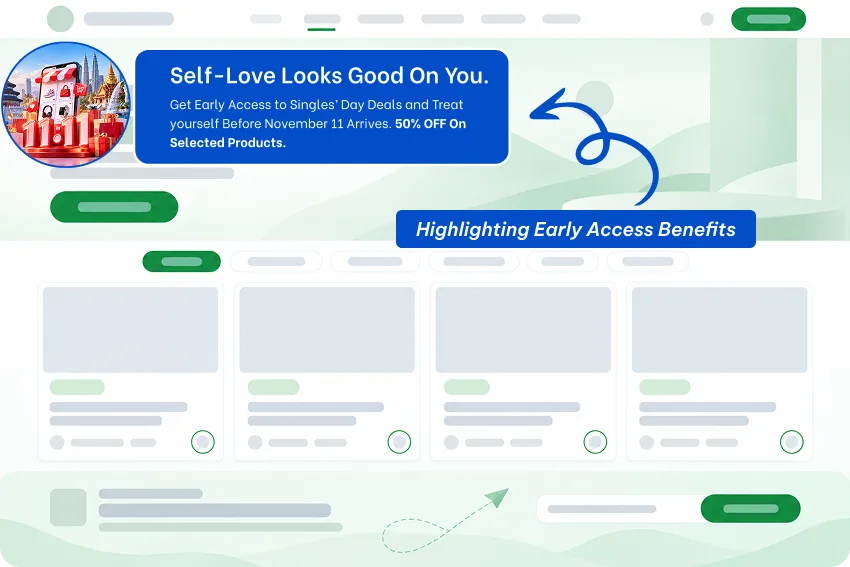
Singles’ Day, which originated in China, is now widely celebrated across Southeast Asian countries. Shoppers add their favorite products to wishlists weeks ahead, then wait for heavy discounts and flash sales to go live. To convert these shoppers, show time-sensitive holiday deals in your pre-holiday ads. This encourages shoppers to decide quickly.
Holiday Advertising Best Practice: Launch conversion-focused campaigns 10 days before peak-season campaigns. Use ad copy that celebrates self-love and reminds shoppers that treating themselves is worth it.
With 7SearchPPC’s user-friendly interface, you can effortlessly schedule your pre-campaigns for the moments that matter the most to drive conversions.
Thanksgiving
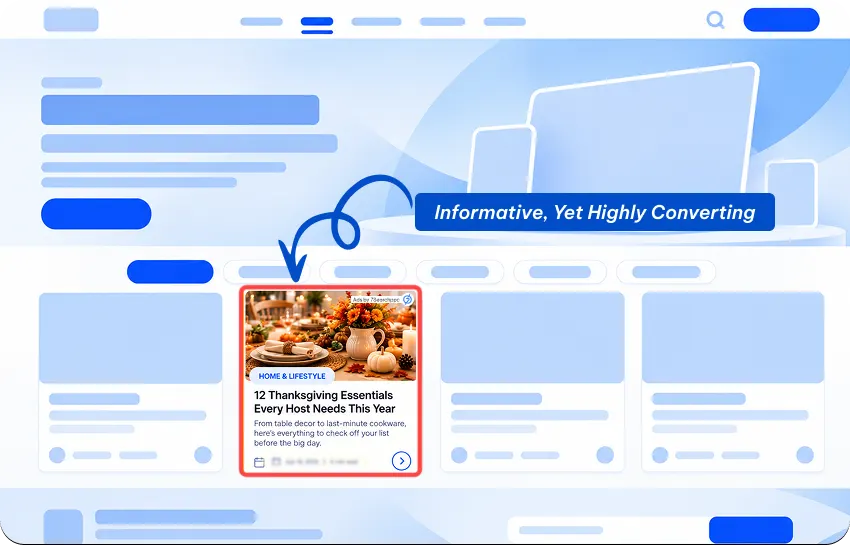
Thanksgiving is celebrated as a time to express gratitude to the people you love. Holiday shoppers want to make the day special for their loved ones and don’t want to miss anything, so they start planning weeks in advance. As BFCM approaches, shoppers become more mindful of their spending. Keep this in mind and launch your pre-holiday ads 2-3 weeks before the festival, featuring your best-selling products and offers to increase conversions.
Holiday Advertising Best Practice: Thanksgiving is all about showing appreciation, so make your ads feel thoughtful rather than purely promotional. Use messaging around gifting, sharing, and making the celebration special. Start testing these messages 2–3 weeks early, with different CTAs. Also, use a daily budget to keep full control of your ad spend. Create bundles or limited-time offers to encourage shoppers to buy immediately. This way, you can not only drive conversions but also test which copy and CTAs work best during Thanksgiving.
BFCM
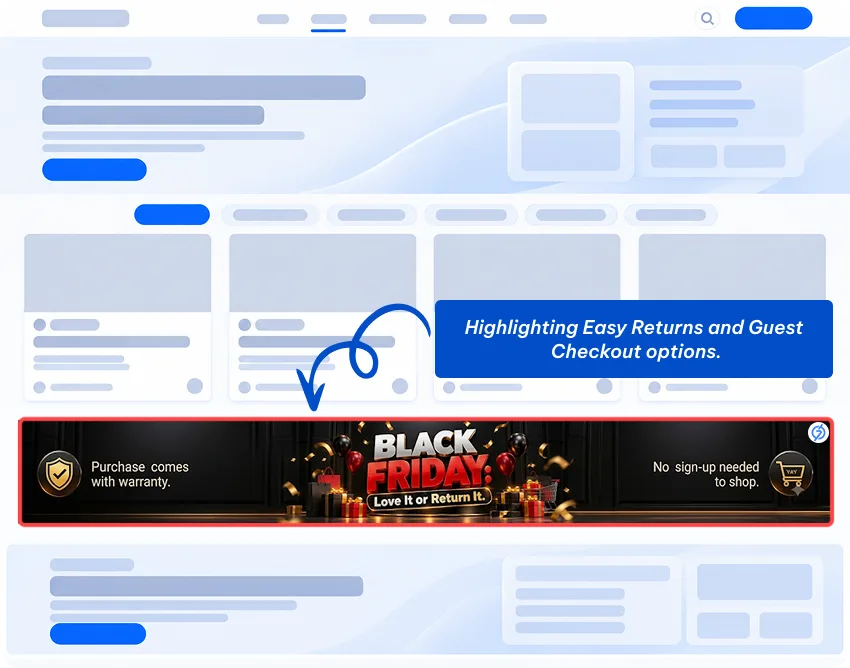
BFCM remains the biggest revenue-generating weekend of the holiday season. In fact, for the 2026 holiday season, 73% of shoppers plan to shop on Black Friday, while 61% plan to shop on Cyber Monday, making it imperative for advertisers to plan their holiday ad campaigns in advance.
Most holiday shoppers hunt for exclusive Black Friday and Cyber Monday offers early to avoid the last-minute rush and compare prices thoroughly.
Holiday Advertising Best Practice: In your BFCM ad campaigns, highlight easy returns, warranty coverage, and guest checkout options to attract and convert more buyers. Set a realistic CPA goal, i.e., the cost you are willing to pay for each conversion. Shoppers hunt for BFCM deals early, so run your sale ads 6-8 weeks before BFCM. This gives the algorithm enough time to collect conversion data, learn from shoppers’ behavior, and optimize bids accordingly before peak holiday shopping season arrives.
With 7SearchPPC, you can upload and preview ad creatives in real time and make changes before going live. You can also use the CPA Goal functionality to maintain your cost per conversion.
Christmas and Boxing Day
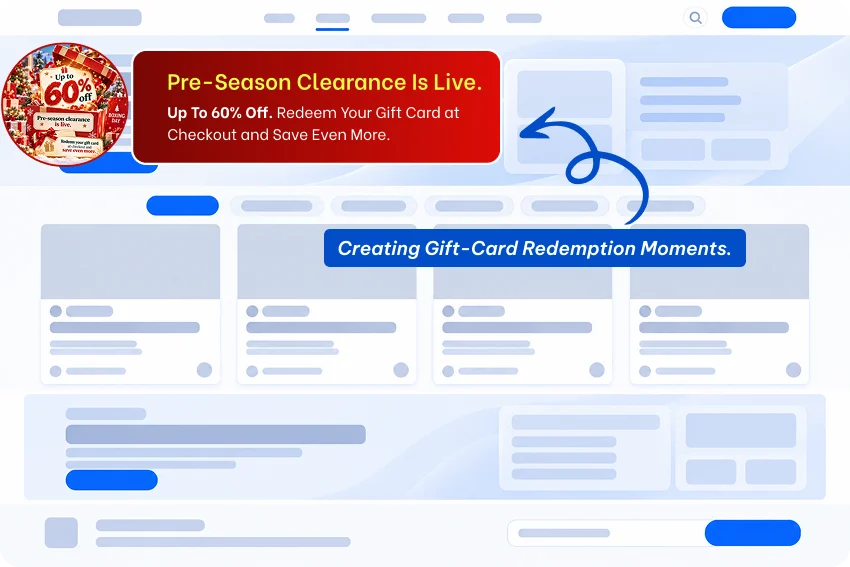
Christmas evokes a sense of magic. Shoppers care about discounts, but they value celebrating together more, so try shifting your holiday ad copy from heavy discounts to festive togetherness. The more emotionally you connect with your Christmas shoppers, the more effortlessly you can convert through your holiday sale ads.
If Christmas is about gifting, then Boxing Day is all about sale clearance. It’s right after Christmas, so it’s ideal to launch your Boxing Day campaigns alongside X-mas ads. Just ensure the ad copy focuses on discounts rather than emotions.
Holiday Advertising Best Practice: Launching Boxing Day and Christmas ads right after BFCM, during peak engagement hours, is an effective pre-holiday promotional ad idea. This gives you adequate time to make your offers well known among your audience before peak season. You can use 7SearchPPC’s dayparting feature to reach deal hunters when they’re more likely to purchase.
New Year
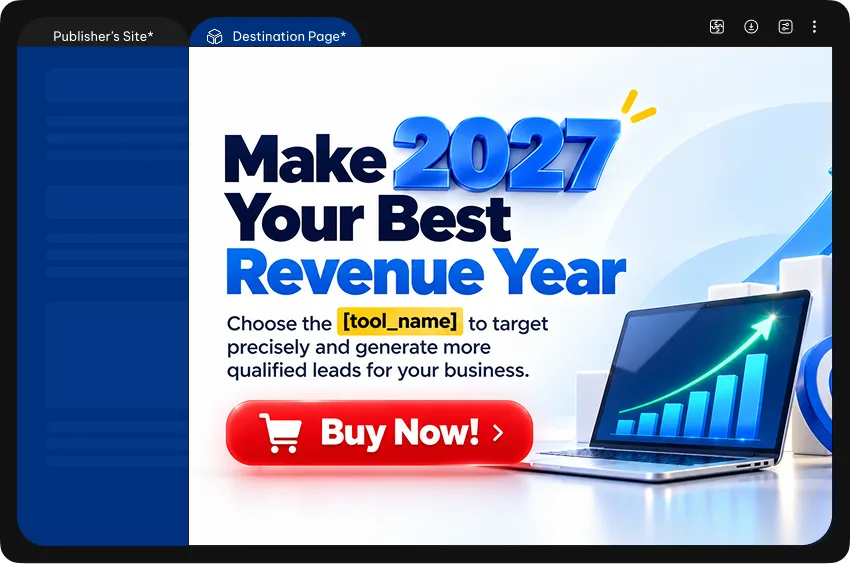
The New Year is all about spreading motivation for the year ahead. Users make resolutions and look for ways to make their New Year a little more special and memorable. So, rather than sounding emotional, try to motivate your target audience through your copy and visuals.
Holiday Advertising Best Practice: New Year planners don’t wait until December 31. They start looking for motivation and deals weeks ahead, so launch your holiday ads a month early to reach them while they’re still deciding. Create landing pages that highlight the benefits of your holiday offers, with optimal design and speed to convert early planners. To seamlessly direct users to your holiday-specific landing pages, popunder ads are a great choice.
Holiday Ad Inspirational Ideas
Below are some of the most popular holiday ads that generated both engagement and conversion. Check them out for serious inspiration.
Tanishq USA – India Wali Diwali Ad
Take Tanishq USA. They launched a video ad to capture the attention of the Indian diaspora with the message “Because no matter where life takes us, Diwali will always be… India Wali.” It captures the essence of Diwali gifting culture and the festive feeling through emotional ad copy, and it effectively targets Indians living away from home.
Fanta’s Haunted Universe Ad
In 2026, Fanta launched its video ad featuring four characters inspired by classic horror legends, creating its own world. The storyline, characters, and spooky vibe were crafted with Gen Z in mind. The holiday ad states: “Want Fanta? Grab it before they do.” It successfully awakened the thirst for flavor among its target audience.
IKEA Hong Kong

For Singles’ Day (11.11), IKEA Hong Kong ran a humorous, self-deprecating Instagram campaign about single life. The caption is written from the perspective of a hopeful “single dog” whose crush keeps saying no, and the punchline is that a comfortable sofa never will. The message is that being single isn’t the same as being lonely, and that a cozy home is a form of self-care. The brand also offered 70% off and free delivery on HK$4,000 or more to grab local consumers’ attention and drive revenue.
Get Ahead of Peak Season With 7SearchPPC
6 Common Pre-Holiday PPC Mistakes (and How to Avoid Them)
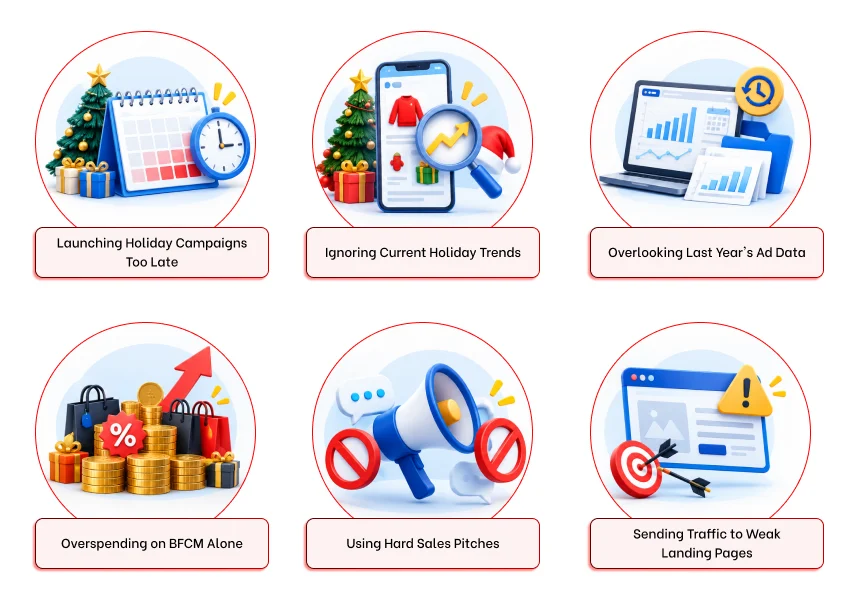
Prepping at the last minute, ignoring last year’s holiday sales ad data, and overlooking the latest trends are common advertising mistakes that can derail your entire holiday marketing plan. Let’s get into them.
1. Starting When the Holiday Bell has Already Rung.
Most advertisers wait until November, and some launch holiday marketing campaigns just a few days before the festival begins. This holiday advertising mistake leaves advertisers with no room to experiment, build hype, or scale winning ad segments.
#thefix: Launch your holiday marketing campaigns as the festive season gains momentum. Talk about your best-selling products and exclusive deals across channels with creative ad copy that feels like you’re connecting with users, not pushing a hard sell.
2. Overlooking Last Year’s Holiday Ad Data
Relying entirely on third-party trends and industry benchmarks while overlooking in-house sales data from the previous year is a major mistake when preparing holiday marketing strategies.
#thefix: Thoroughly review your past year’s holiday ad sales revenue. Identify the copy, creative angles, and advertising platforms that drove revenue from last year’s holiday marketing campaigns. This helps you reuse what’s already worked for your brand and spot the gaps that drained your holiday advertising budget, so you don’t invest in them again.
3. Ignoring the Latest Holiday Advertising Trends and Audience Interests.
Trends keep changing, yet many advertisers still rely on decade-old holiday promotion ideas that no longer align with today’s audience interests.
#thefix: Conduct a market analysis to understand current holiday marketing trends and audience interest. This lets you build the best holiday campaigns and avoid putting a wall between you and your holiday ad revenue.
4. Treating Black Friday and Cyber Monday as the Only Shopping Events.
Some advertisers keep wondering whether to choose Black Friday or Cyber Monday, while others throw their entire ad budget at these two holidays, leaving no money for the rest of the festive season. Black Friday and Cyber Monday are, no doubt, the biggest holiday events of the shopping season, but investing your entire ad budget without proper planning is a major holiday marketing mistake.
#thefix: Plan your holiday advertising calendar in advance and list all details, including campaign duration, target audience, digital advertising platform, and ad budget. A clear plan helps you create the best holiday advertisements and allocate budget strategically across major festivals without the fear of overspending.
5. Using a Hard Sales Pitch in Every Holiday Ad.
The holiday season is when people shop for themselves and their loved ones to make the festival special and memorable. Here, coming across as a sales representative highlighting your products’ core benefits won’t help you capture the season’s vibe or generate the holiday ad revenue you want.
#thefix: Mold your holiday ad campaigns to reflect the festival spirit. If you’re targeting Diwali, make your ad creative feel emotional and festive; if you’re targeting the Chinese National Day, make it feel respectful, incorporate traditional colors, and use the native language. This way, you can continue creating the best holiday advertisements without losing your audience’s interest.
6. Sending Traffic to Random, Unoptimized Landing Pages.
Advertisers spend hours crafting festive-themed ad copy and visuals but overlook the landing page experience, which ultimately increases the bounce rate. This PPC mistake ruins seasonal campaign performance and overall conversions.
#thefix: From the hero section to the footer, thoroughly test and evaluate every part of your landing page. Track KPIs such as engagement rate, bounce rate, pages per session, load time, conversions, and scroll depth, and use heatmaps to better understand the user experience. This will help you optimize your page and generate the revenue you want from your holiday marketing campaigns.
All Set to Increase Your Holiday Sales Revenue!
When preparing holiday marketing strategies, most marketers skip the pre-advertising phase, assuming it’ll just eat up their budget. In reality, pre-holiday ad campaigns can build awareness and engagement ahead of the peak festive season and help drive conversions at a lower CPC. They also give the advertising system sufficient time to learn from conversion data and make more optimized bidding decisions as the peak season approaches. In short, a pre-holiday advertising campaign isn’t optional. It’s what separates an average 2026 festive advertising strategy from a high-converting one.
|