Core Insights!
- Push traffic refers to web traffic generated when users click on push ads delivered directly to their devices, either through classic web push (which requires an opt-in and appears even when the site is closed) or in-page push (which requires no subscription and slides in while browsing).
- Benefits include high visibility, better CTR, strong ability to bypass traditional ad blockers, and much more.
- Push ad traffic is cost-effective and works especially well for verticals like iGaming, dating, VPN, adult, and healthcare.
- Avoid misleading creatives, weak ad copy, and loose targeting.
When people say “push traffic,” they’re usually not talking about just one thing. It’s actually an umbrella term, and under it, you’ll mostly find two formats: classic push and in-page push. Both fall under the same “push ad traffic” label, but they don’t work exactly the same way, and that trips a lot of beginners up.
Classic push shows up as those notification-style alerts you get after opting in to receive them. In-page push, on the other hand, lives inside the page itself, mimicking a notification without needing any subscription.
This blog covers everything you need to know about push ad traffic, including what it is, how it works, its cost, and the best verticals to advertise with it.
What is Push Traffic?
Push traffic is basically ad traffic that comes from notification-style ads instead of banners or search results. Simple as that. But the term “push ad traffic” isn’t just one format; it covers two types: classic push (also called web push) and in-page push.
Both look similar on the surface, but they work quite differently, which we’ll get into next.
Classic Web Push
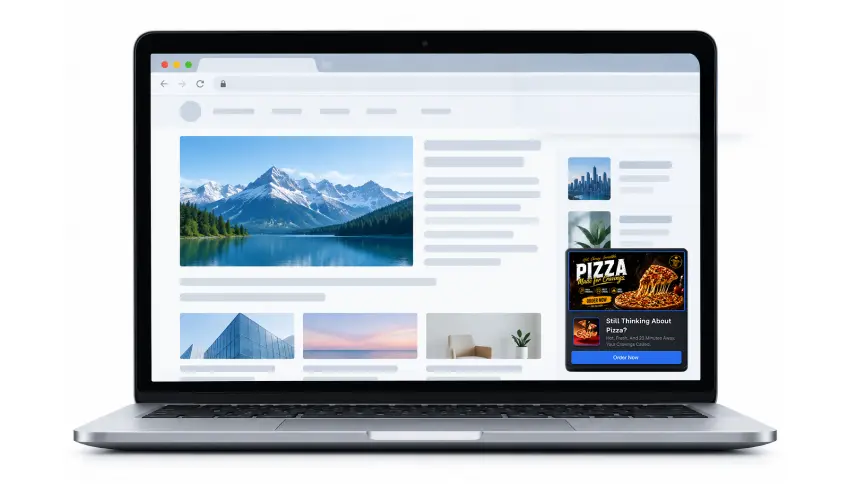
A classic push ad is a notification sent directly to a user’s device, and it requires the user to opt in. These notifications appear as a slide-in on the device screen via the web browser even when the website itself is closed. Because users have already shown interest by opting in, engagement tends to be high, which improves the odds of conversion.
In-Page Push
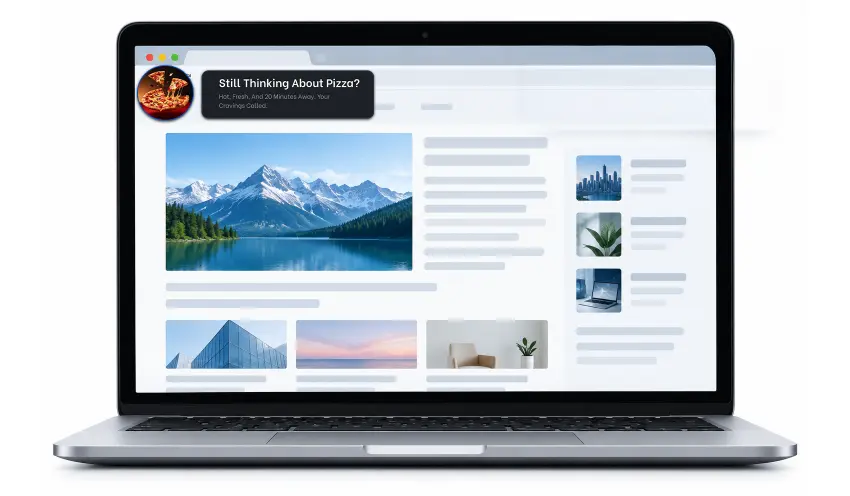
In-page push is a type of ad that appears directly on a website as a notification-style ad. Unlike consent-based system-level notification ads such as classic web push, in-page push ads do not require users to opt in to receive them. This makes things easier for advertisers, as they can reach a larger audience base and promote their offerings without requiring user opt-in.
The Anatomy of Push Ads
- Icon (Small Image): A small image that represents the brand, product, or offer.
- Main Image (Large Creative): The main visual that catches the user’s attention and highlights the offer.
- Headline: A punchy text that tells users the main benefit or message.
- Description: A brief or short explanation that gives more details about the offer or product.
- CTA: A clear instruction that tells users what to do next.
How Push Traffic Works: The Full Funnel
Push ad traffic, whether classic or in-page, follows a pretty similar journey; the only real difference is where it starts.
- The Starting Point (this is where they differ): Classic push begins when someone visits a site and sees an “Allow notifications?” pop-up. If they hit allow, they become a subscriber, and the advertiser can reach them anytime after that. In-page push skips this entirely; the ad appears as a notification-style ad embedded directly on the page someone’s browsing.
- Campaign Setup: After that, the advertiser selects a push ad network to work with. From there, they choose their campaign type, either web push or in-page push, set up their targeting parameters, and settle on a CPC or CPM bidding model. The last step is uploading the creative assets: an icon, image, headline, and call to action.
- Ad Delivery: The ad network delivers the push ad out to subscribed devices for web push, or directly onto active pages for in-page push.
- The Click: When someone taps the notification, they land on a landing page or offer page.
- The Conversion: This is the actual goal: a sign-up, purchase, install, or whatever the campaign is built for.
So the funnel really comes down to: get seen → get clicked → get converted. Classic push just adds one extra step at the start — the opt-in.
What Makes Push Traffic Worth Trying
Push ad traffic is worth trying because it checks a lot of boxes advertisers actually care about. Here are some key advantages:
1. Visibility Remains High
A push ad shows up directly on the screen in a notification-style format, whether that’s the lock screen or while someone’s actively browsing a site. It’s tough to scroll past unnoticed; even a quick glance before it gets dismissed still counts as an impression. You don’t see that level of guaranteed visibility much anymore from online ad formats.
2. Higher CTR Than Other Ad Formats
There’s just something about a notification that makes people want to check it. Maybe it’s the format, maybe it’s a plain habit, but either way, people tend to tap without giving it much thought. That instinctive reaction is a big reason why push ads tend to see such strong click-through rates.
3. Bypasses Ad Blockers
Push ads are very effective at bypassing web ad blockers because they operate through operating system or browser notification permissions rather than standard webpage script loading. This is why many advertisers prefer the push ad format; ad blockers simply have a narrower ability to detect and block it.
4. No App Install Needed
Users can subscribe with a single click, right from the website, no app download required. This is one of the biggest advantages of the format, since it cuts out the extra friction you get with app-based push notifications, where someone has to install an app first before they can even start seeing ads.
This makes web push notifications a strong option, offering several advantages over other formats. In comparison, in-app push advertising is generally more expensive. That’s why we recommend starting with web push notifications as a more cost-effective option.
How Much Does Push Traffic Cost in 2026?
Push ad traffic cost depends heavily on the industry and the preferred goal. Let’s review the CPC range to buy push traffic in 2026.
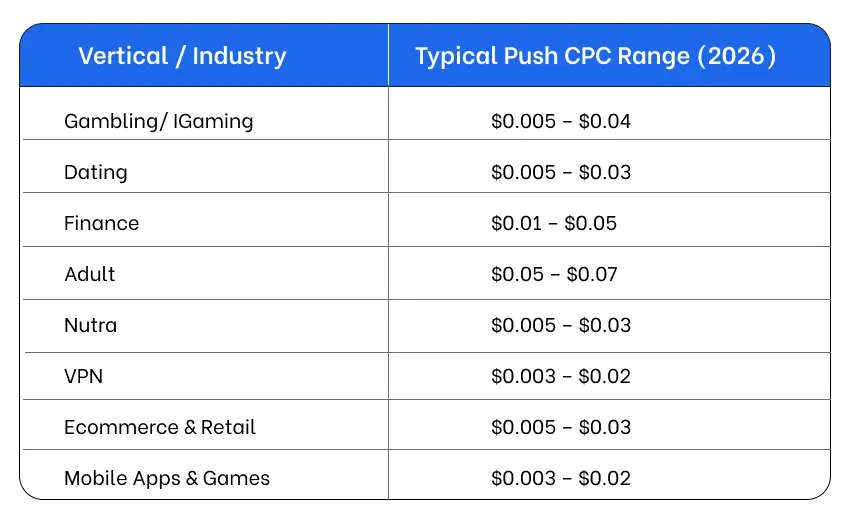
This data has been collected from multiple sources and may vary, so please verify current rates before using these ranges as a benchmark for your push ad campaigns.
Get In Front of Ready-to-Click Users With 7SearchPPC
Top-Performing Verticals for Push Traffic
Push ad traffic doesn’t work equally well for every niche. Through our research, we’ve found some verticals that click with this format more naturally than others.
iGaming
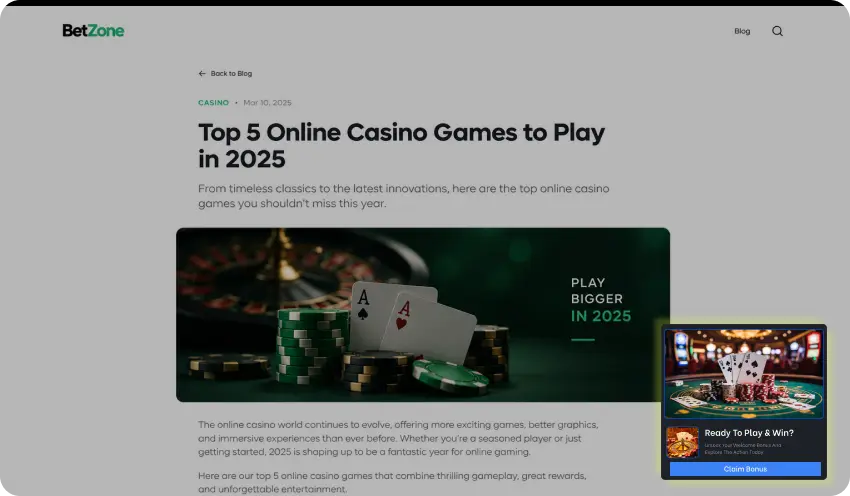
iGaming advertising performs exceptionally well with push ad campaigns because notifications naturally create a sense of urgency, and that urgency pushes users to act fast rather than think it over. That urgency is exactly what drives conversions.
iGaming users also tend to be impulse-driven, responding well to time-sensitive triggers like “your free spins expire in an hour.” Sweepstakes offers are a great example of this and are one of the most commonly used offer types in gambling push campaigns, mainly because they consistently deliver strong results.
Adult
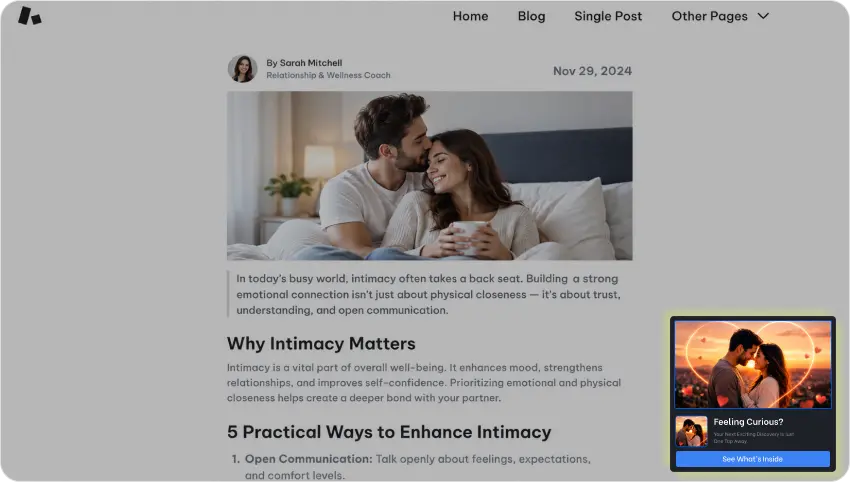
One reason most adult platforms use push advertising is that it helps bypass mainstream ad restrictions while still delivering high visibility directly to users’ devices.
Since adult content is often restricted on other platforms, push ads become an easy workaround. Bold images and catchy headlines grab attention fast, which is exactly what drives clicks. When run strategically, adult push campaigns can deliver genuinely strong results for advertisers.
Dating
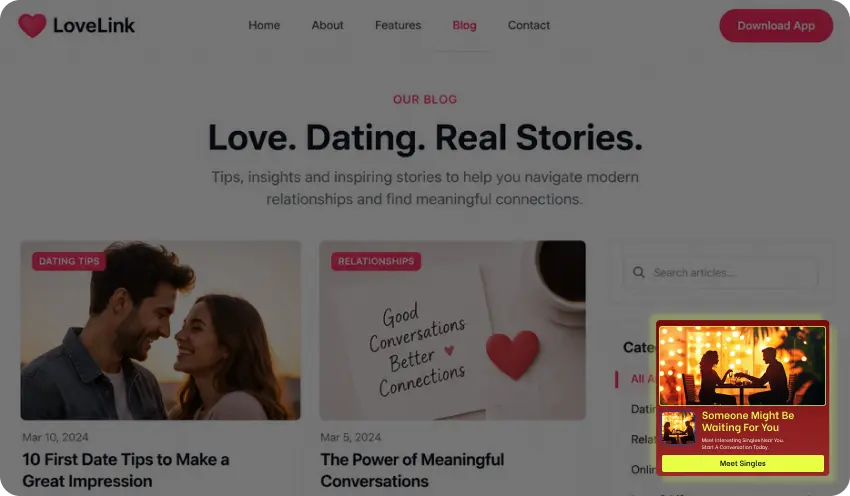
Dating is another vertical that just works well with push web traffic, mostly because it plays on curiosity and gives people that instant little hit of engagement. A notification hinting that someone new matched with you, or that someone’s nearby, is hard to just scroll past. People end up checking it almost without thinking.
That instant “who is it?” pull is exactly what push notifications are built for, which is why dating offers consistently pull in strong engagement and clicks. Using push in dating advertising not only drives traffic but also helps build brand awareness.
VPN
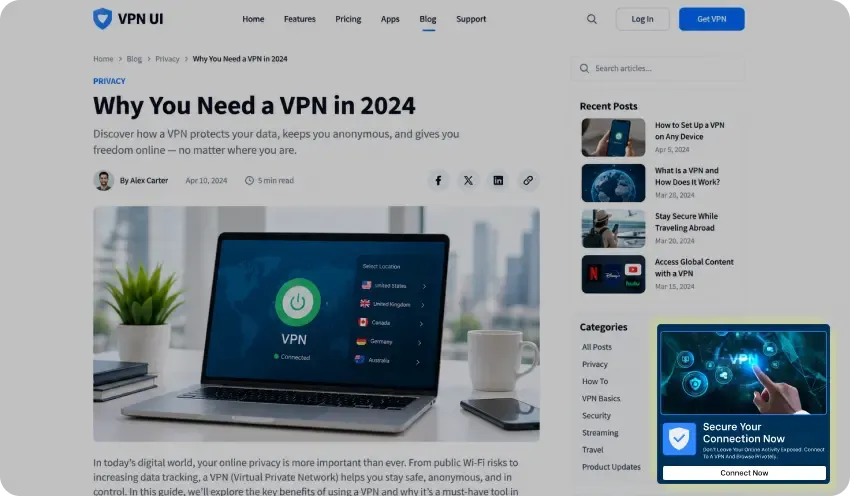
VPN offers also do well with push ads because the pitch is simple: privacy, security, access. People already worry about being tracked or blocked from content, so a notification hinting at “your IP is exposed” or “unlock restricted content” taps right into that concern. It doesn’t need fancy convincing; the fear or need is already there, and the push just delivers it at the right moment.
Healthcare
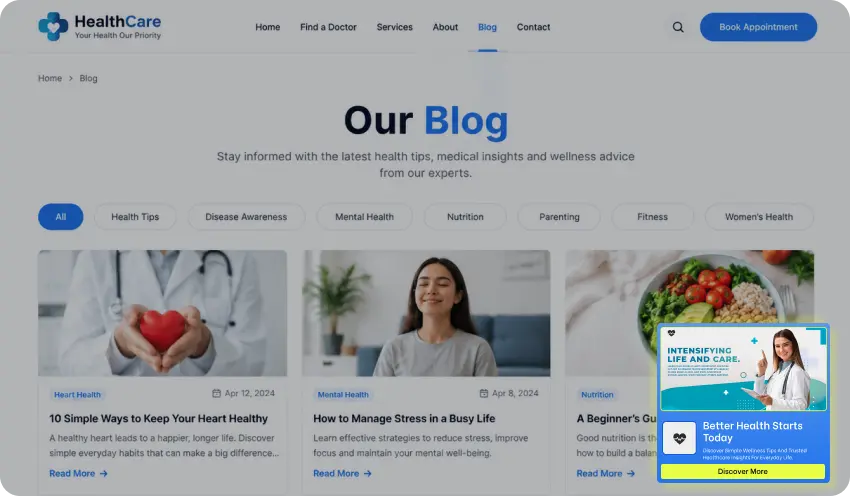
Healthcare works surprisingly well with push ads, mainly because people are already searching for answers to a symptom, a supplement, or a diet fix. A notification about “natural remedy for joint pain” or “signs you shouldn’t ignore” lands right when someone’s already thinking about it.
Now, you may think push campaigns sound pushy, but they’re not. They simply show up at the right moment, which is exactly why this vertical keeps performing well.
When Push Traffic Makes the Most Sense
Push traffic works especially well in situations where speed, flexibility, and affordability matter most. Here are some points you should consider before running a push ad campaign:
- When You’re Promoting Time-Sensitive Offers: Let’s say you have a Black Friday deal and only a few hours left to promote it. Push ads are perfect for this. They create urgency, and urgency drives conversions, especially when people know a discount or limited stock won’t last. That instant, in-your-face nature is exactly what makes push ads so effective for time-sensitive offers.
- When You’re Testing New Offers or Verticals: Push campaigns are quick to launch and low-cost, so they’re great for testing what converts before committing bigger budgets to other channels.
- When Budget Is a Major Concern: Push traffic is one of the most budget-friendly ways to advertise, which makes it perfect if you’re just starting out. You can test offers for just a few cents per click and scale up once you see results. Just be selective with your ad network, since pricing and quality vary a lot between them.
- When Reaching Mobile and Desktop Users: You never really know if your audience is checking offers from their phone or their laptop, and honestly, it doesn’t matter with push ads. They show up on both, so you get full coverage without running two separate campaigns. Just set it up once and reach everyone.
How to Launch a Successful Push Ad Campaign
Once you’re ready to drive traffic through push ads, it’s worth considering where to buy push traffic and how to launch your campaigns. Here are a few steps that can help you get started:
1. Select a Push Ad Network
Ad networks are one of the most common ways to buy push traffic from verified sources. Before you select a push ad network, consider a few important points:
- Does it support your preferred vertical?
- Does it deliver high-quality push traffic from your preferred GEOs?
- Does it offer reliable support whenever you need it?
- Does it provide optimization tools, such as S2S tracking, for greater transparency?
Pick a network that checks these boxes, and you’re already halfway to a successful push advertising campaign.
2. Choose Classic Web or In-Page Push
Once you are in, you’ll need to pick your advertising format: classic push or in-page push. Most networks let you choose this right at the campaign creation stage. Go with whichever one aligns better with your offer and campaign goals. Then, add your creative, icon, title, and description, whichever is required. Once that’s done, move on to setting your budget and targeting.
3. Select Your Pricing Model
Now it’s time to choose the right pricing model, as it directly impacts your advertising budget and determines how much you pay for audience engagement.
4. Apply Targeting
After selecting the right pricing model, proceed to choose suitable targeting options available in the ad network you have chosen. This ensures you reach an audience with high conversion potential. You can choose from various targeting categories in the push ad network, such as GEOs, devices, or operating systems.
5. Set Daily and Total Budgets
Now comes one of the most important parts: setting up a daily budget. If you run ads without proper budget planning, you’re likely to end up in a messy situation. To avoid such issues, set your daily ad budget with a solid strategy; this will help you sustain your budget for longer and achieve better results.
6. Configure Conversion Tracking
After setting everything up, it’s time to configure conversion tracking, which is one of the most important steps you should not skip. Server-to-server tracking offers greater transparency, so you can clearly see how your ad campaign is performing.
This configuration also helps you understand which advertising campaigns are actually working best, so you can make smarter decisions and attract higher-quality push traffic.
7. Launch and Optimize Campaigns
Before you launch your ad campaign, quickly check everything: your budget, targeting, ad creatives, and tracking. Once everything looks good, launch your campaign. After that, keep an eye on performance. See what’s working, fix what’s not, and make small changes along the way to get better results.
Common Mistakes That Ruin Push Traffic Performance
Push ad traffic can be profitable, but a few common mistakes can easily hurt performance. Here are the mistakes that you should avoid:
1. Misleading Creatives
The first mistake is very common: advertisers make misleading creatives, whether intentionally or unintentionally. Your ad should match what users actually get after clicking. If you do, you’ll see poor results in your push campaigns.
2. Weak Ad Copy
Your ad copy needs to hit the pain point quickly. If it is unclear, boring, or off track, users will simply ignore it. And when you don’t impress your audience with ad copy, you will get a low CTR.
3. Not Testing Enough Creative Variations
Many advertisers think that using one or two creatives for push campaigns will work for all GEOs and offers. That’s not true. In fact, it’s a big mistake.
Using just one or two push ad creatives limits your chances of finding the best version. Test different images, headlines, formats, and messages. Small changes can make a big difference in clicks and conversions.
Ready to Try Push Traffic for Yourself?
Now that you know how push traffic works, why not put it into action? 7SearchPPC makes it easy to launch classic and in-page push campaigns across top-performing verticals like iGaming, dating, adult, VPN, and more. Enjoy flexible targeting, competitive CPC rates, and S2S tracking to track every click. So what are you waiting for? Join 7SearchPPC today and get your push ads live in minutes!
|