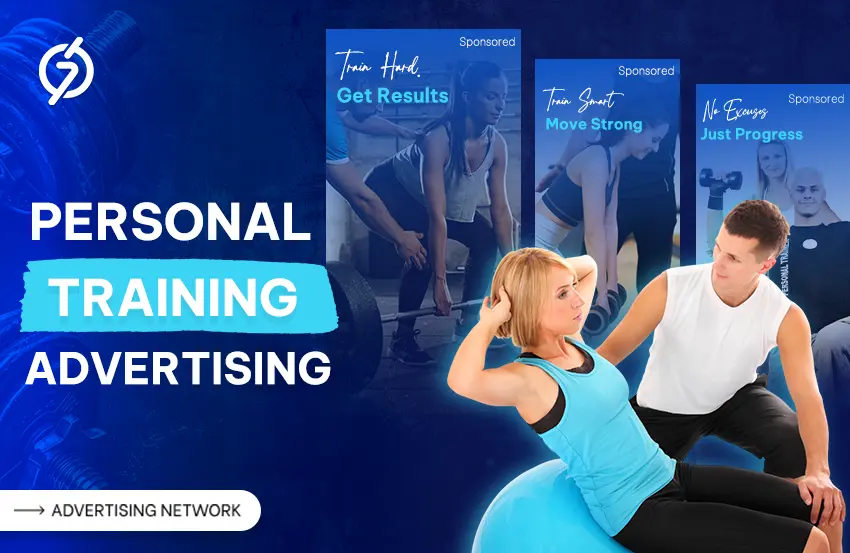
Getting new personal training clients shouldn’t feel harder than the workouts you design for them — yet for many trainers, it does. You post on social media, run online fitness ads, maybe even offer discounts… and still, quality leads don’t come as easily as the reps you count.
If that sounds familiar, you’re not alone, and more importantly, you’re not doing anything wrong. The problem usually isn’t your skills or your pricing, but how your message is reaching potential clients.
In this blog, we will break down what actually works in personal training advertising today, and why some strategies quietly outperform others. By the end, you’ll have clear, practical ideas you can start using right away to grow your personal training business with confidence.
Launch Your Personal Training Ads Today!
Why Most Personal Training Advertising Fails
Most personal training advertising fails for a few common reasons, such as poor targeting, ineffective messaging, missing pain points, and more. Here are the main reasons. Take a look:
Poor Targeting
Many personal training businesses or individual trainers often advertise their offerings to everyone rather than to a specific group. Advertising in the health and fitness niche only works when your message reaches the right audience. Poor targeting makes even the best personal training packages and campaigns fall flat.
Ineffective Messaging
Ineffective presentation of personal training offers is one of the reasons personal advertising fails. When the message is unclear or generic, it doesn’t work. If people don’t instantly understand how you help them, they’ll scroll past without paying attention.
Missing Pain Points
When personal training advertising doesn’t speak to real problems like lack of motivation or weight gain, prospects don’t feel connected and ignore the offer completely.
No Clear Outcome
The audience always wants to see the outcome. Why should they pay attention to your personal training marketing or advertising materials? If they don’t see the value at first glance, they will ignore it and move on—and that’s a failure.
Why Personal Training Advertising Demands a Specialized Approach
Personal training is a category that demands a highly specialized advertising approach because it is an intangible, relationship-driven, and trust-based service that relies on credibility and proven results rather than physical products.
Let’s explore the following points to better understand why it requires a specialized approach.
Strong Positioning in a Crowded Market
The personal training industry is crowded with similar promises and offers. A specialized advertising approach helps you stand out, highlight what makes you different, and grab the attention of your ideal audience instead of getting lost in the intense competition.
Building Trust and Credibility
Personal training isn’t an impulse buy, as trust and credibility play an important role. Specialized personal training advertising lets you share real stories, expertise, and proof, helping people feel confident that you understand their goals and can truly help them succeed.
Creating an Emotional Connection
Clients don’t only buy personal training plans—they buy confidence, relief, and change. A specialized approach speaks to struggles, motivations, and aspirations. When people feel understood and emotionally connected, they’re more likely to choose your personal training services.
Attracting Higher-Quality Leads
Specialized advertising naturally narrows your audience. When your advertising is specific, it filters out the irrelevant audience. A specialized approach attracts people who truly need your personal training services, value your expertise, and are more likely to commit to long-term relationships. Overall, it helps you generate higher-quality leads that are easier to convert.
PPC for Healthcare: Smart Strategies to Attract High-Intent Patients Online
Insights into the Personal Training Buyer Journey
Like other industries, buyers of personal training go through three main stages: awareness, consideration, and decision. Let’s take a closer look at each stage.
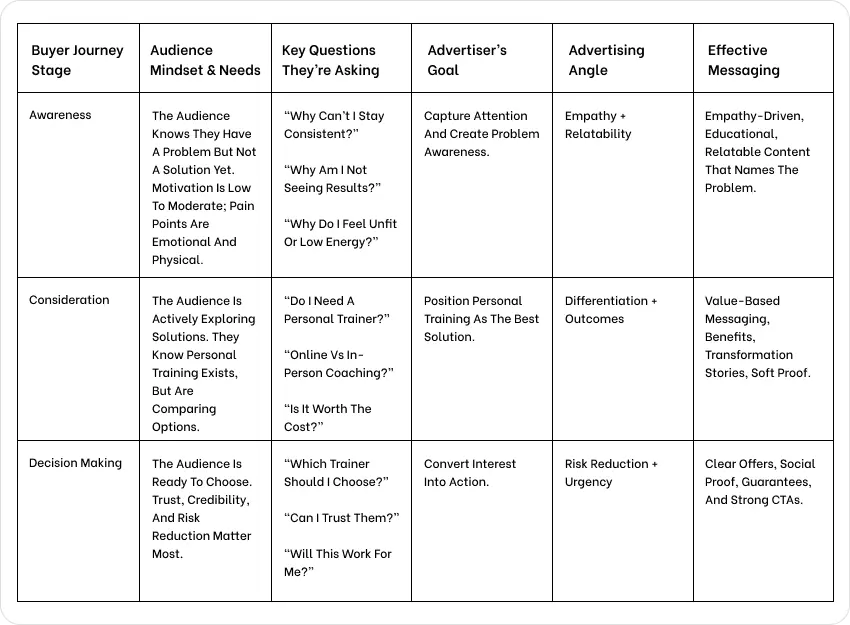
When you understand the personal training buyer journey as an advertiser, it enables you to create an advertising strategy that matches what prospects actually need at each stage.
High-Impact Advertising Strategies for Personal Trainers
Effective advertising for personal trainers is about visibility, trust, and clear results. Here are high-impact strategies designed to drive leads and revenue.
1) First, Set Up Your Official Website and Google Business Profile
Before you spend money or time on personal training ads or other marketing posts, make sure your official website and Google Business Profile are ready.
It is very important to focus on because advertising brings attention, but trust closes the deal. When people see your ad, posts, blogs, etc., on digital platforms, they won’t book a consultation immediately. Most of them will search your name, visit your website, and check your Google profile to decide if you’re legit.
Your website should clearly show:
- Who you help
- What services do you offer?
- Real results, testimonials, or transformations
- Easy ways to contact or book your personal training slots.
If you’re targeting local clients, your Google Business Profile is just as important. It helps you appear in local searches, shows reviews, photos, location, and contact details. According to Nectafy, 88% of local mobile searches lead to a visit, call, or purchase within 24 hours—that’s huge for personal trainers.
2) Segment Your Audience by Goals, Age, Lifestyle, and Pain Points
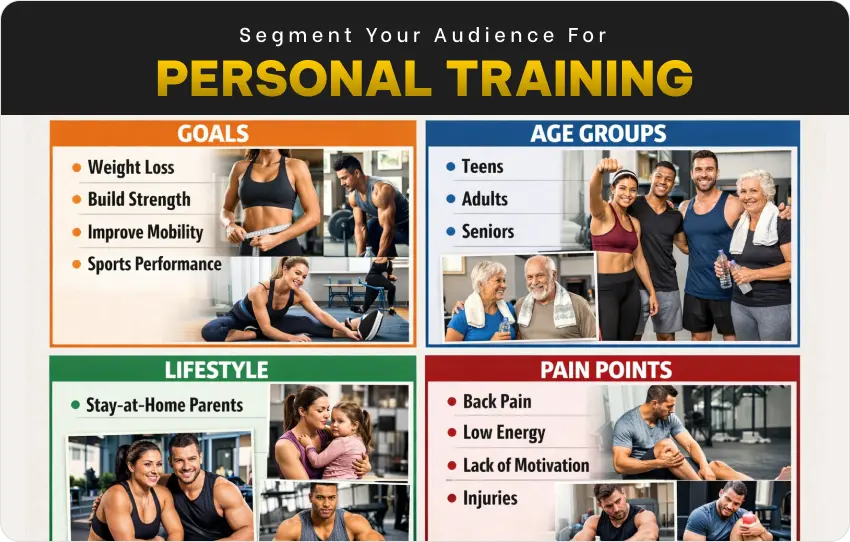
The personal training industry is huge — and that’s both a good thing and a challenge. You can’t advertise personal training to everyone and expect desired results. The real impact comes when you know exactly who you’re training and what you’re best at.
Start by identifying your niche. Are you great at fat loss, muscle building, post-injury rehab, senior fitness, etc.? Your expertise (or your trainers’ expertise) should guide your focus.
Once your niche is clear, segment your audience based on:
- Goals (weight loss, strength, mobility, sports performance)
- Age group (teens, adults, seniors)
- Lifestyle (stay-at-home parents, athletes)
- Pain points (back pain, low energy, lack of motivation, injuries)
When you speak directly to a specific group, your online fitness or gym ads feel more personal and relevant. And when your message connects, people are far more likely to trust you — and choose you.
Audience Segmentation: Targeting Your Most Important Audiences
3) Choose the Most Effective Advertising Platform for Each Segment
Not every potential client hangs out in the same place online. Some people spend hours on social media, others use search engines like Google when they need help, and some read blogs or visit fitness-related websites. That’s why relying on just one advertising platform can limit your results.
To make your personal training advertising more effective, engage your audience where they already are. For example, you can use ad networks like 7SearchPPC to place personal training advertisements on relevant fitness websites or blogs your ideal clients visit. Use social media platforms to run online personal training ads for specific age groups, lifestyles, or fitness goals. And don’t ignore search engines—search ads help you reach people who are actively looking for personal trainers or fitness solutions.
The key is to match each audience segment with the platform they use the most. When you show up across multiple digital channels, your brand stays visible, your message feels more relevant, and your chances of getting quality leads increase.
4) Craft a Single Clear Offer for Each Audience Segment
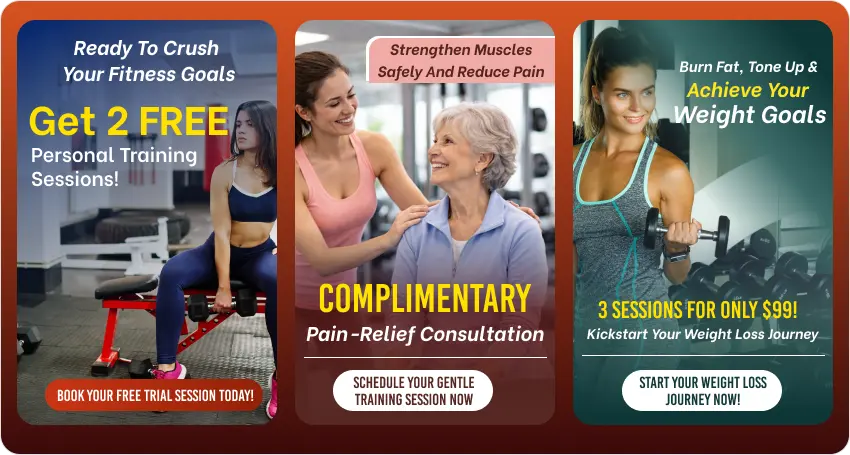
Once you’ve segmented your audience and selected the most effective advertising platforms, the next step is to focus on crafting and clearly separating your offer.
Don’t confuse people with multiple offers in one ad. Use this formula: one audience = one clear offer.
When you show too many offers, people hesitate and scroll away. But when your message speaks directly to one goal or pain point, it feels personal—and that grabs attention.
- Why a single offer works:
- It’s easy to understand
- It feels personalized
- It tells people exactly what to do next
Examples:
- Beginners who feel intimidated by gyms:
“Start Fitness with Confidence – Beginner Personal Training Program (No Experience Needed).” - Women 40+ with joint pain:
“Low-Impact Strength Training for Women 40+ to Reduce Knee and Back Pain.” - Weight loss-focused clients:
“Lose Your First 10 Pounds in 8 Weeks with 1-on-1 Personal Training.”
Each offer speaks to one group, one problem, and one solution. When your offer is clear and specific, your ads feel less like advertising—and more like personal care.
7SearchPPC’s Tip: If you have multiple personal training services, that’s fine—but don’t promote them all in one ad. Create targeted personal training advertisements for separate audience segments.
5) Create Benefit-Driven Ad Copy and Creatives Focused on Outcomes

This is where most personal training advertising efforts either win or fail.
When you write your ad copy, don’t talk about yourself first—talk about your audience’s problems. Call out their pain points clearly so they instantly feel, “This is for me.” Whether it’s stubborn belly fat, low energy, back pain, or lack of motivation, show them you understand their struggle. Then position your personal training as the clear solution.
Focus on outcomes, not features. People don’t care about your certifications or training style as much as they care about results—fat loss, strength, confidence, or living pain-free.
Your creative (image or video) is the first thing people notice, so you need to focus on this factor as well. Use visuals that match your message: real clients, transformations, workouts, or relatable moments your audience connects with. Keep it clean, relevant, and eye-catching.
Finally, use a strong, action-oriented CTA. Tell them exactly what to do next—
“Book Your Free Session,” “Start Your Transformation,” or “Claim Your Spot Today.”
The 3C formula, clear message, clear visuals, and clear action help make advertising fitness and personal training offers more successful.
6) Dedicate Adequate Time to Keyword Research
Many personal trainers use blogs to reach people at every stage of their fitness journey—and that’s a smart move. But here’s the catch: not every keyword you write for will rank on Google. Some keywords are highly competitive, and your blog may not reach the top spots anytime soon.
That’s why keyword research deserves real time and attention. Look for keywords with clear intent, good search volume, and a realistic bid price. If your blog isn’t ranking for those high-intent keywords, you can still gain top position by targeting them with search ad campaigns.
Choose keywords that fit your budget and bid strategically so your personal training advertisements appear at the top when people are actively looking for a personal trainer or personal training services. This way, you don’t miss out on ready-to-convert traffic.
Power of Keywords: An In-Depth Analysis of PPC Keyword Research
7) Use Precise Targeting to Achieve the Best ROI

Precise targeting is where your ad budget really starts working for you. Based on the research you’ve already done, make sure your online personal training ads are shown only to the people who are most likely to become clients.
When creating a personal training advertising campaign, set up geo-targeting. If you offer in-person training, focus on a tight local radius around your gym or service area. If you provide online or virtual personal training, you can expand your reach to specific cities or even countries where your ideal clients live.
You can narrow things down even more by targeting device type and operating system. For example, if your audience mostly uses mobile phones, focus your ads there and avoid wasting money on irrelevant users. The more specific your targeting is, the less money you waste—and the higher your chances of getting quality leads who actually want your personal training services.
8) Pick Ad Formats Strategically
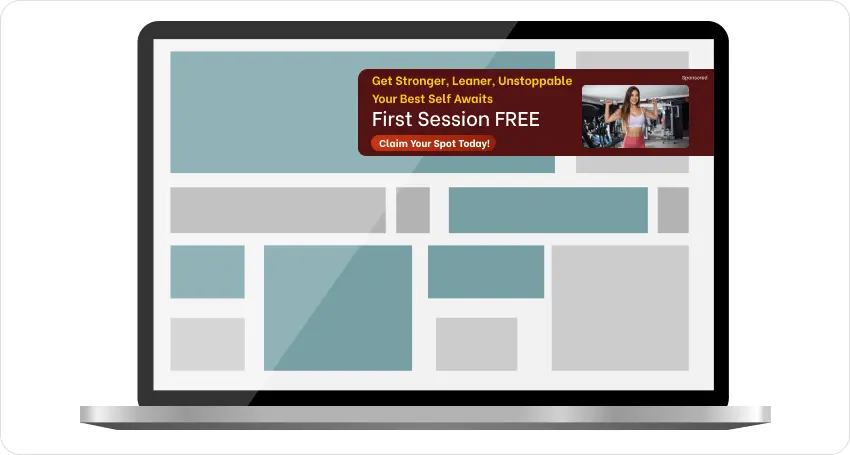
Not all ad formats work for every goal, so choosing the right one is very important for making your personal training advertising efforts successful.
Before launching any campaign, be clear about what you want to achieve—brand awareness, lead generation, or promoting a specific offer.
If your goal is brand awareness, banner ads work well because they repeatedly put your name and message in front of a large audience. They help people recognize your brand, even if they don’t click right away.
If you’re launching a new offer or promoting something time-sensitive, formats like in-page push ads or native ads can be more effective. These grab attention quickly and are better at driving immediate action.
If you’re not sure which ad format best fits your goal or offer, that’s completely normal. You can run small test campaigns using different formats and a modest budget to see which one generates the best engagement or leads.
Schedule Ad Campaigns Around Peak Events

Your personal training advertising campaigns should run when people are active and ready to take action—not when it’s convenient for you. Your audience is not equally active all the time, so don’t run campaigns blindly. First, identify when your ideal clients are most active in your target locations—this could be early mornings, evenings, weekends, or specific days of the week. Then schedule your ads to show up exactly during those high-attention windows.
Peak events like New Year’s resolutions, festivals, summer breaks, wedding seasons, or post-holiday weight-gain periods are golden opportunities. During these times, people are already motivated to get fit. If you don’t show up, your competitors will. Simple as that.
Yes, competition is higher during peak events, so bids may cost more. But the upside is huge—more visibility, more clicks, more leads, and better conversions. Increase your bids strategically to secure top ad positions and stay visible when demand is high. Never skip these moments—they’re when people are most ready to say yes.
10) Track Key Performance Metrics on a Regular Basis
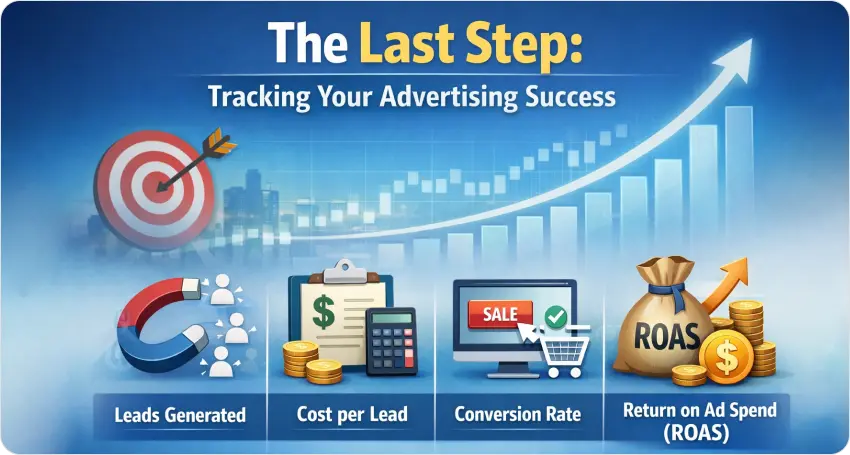
The last and most important step is tracking. The only way to know if your personal training advertising strategy is actually working is to consistently track a few key metrics. These metrics show whether your strategy is moving in the right direction—or not.
Focus on:
- Leads generated – Are people actually contacting you?
- Cost per lead – How much are you paying for each lead?
- Conversion rate – How many leads turn into paying clients?
- Return on ad spend (ROAS) – Is personal trainer advertising making you more money than it costs?
If leads are coming in at a reasonable cost and turning into clients, your online personal training advertising strategy is on track. If not, you need to adjust your offer, targeting, or ad message.
What Not to Do in Personal Training Advertising
Personal training advertising can easily miss the mark if you’re not careful. Here are some common mistakes to avoid:
Avoid Unrealistic Claims
Don’t promise instant weight loss or “guaranteed” results. Fitness takes time, effort, and consistency. Unrealistic claims break trust and can disappoint people who genuinely want real progress.
Avoid Body Shaming or Negative Messaging
Never shame people for their body type or fitness level. Ads should motivate and support, not make people feel insecure or judged. Positive messaging builds confidence and attracts the right clients.
Don’t Ignore Personal Training Advertising Guidelines
Always follow advertising rules and platform policies. Misleading claims, unapproved health promises, or missing disclaimers can get your ads rejected and harm your brand’s credibility.
Conclusion
Successful personal training advertising is about clarity and connection. When people clearly understand who you help, what problem you solve, and what results they can expect, trust builds naturally. You don’t need flashy promises or complicated tactics—just the right message in front of the right people at the right time. Stay consistent, pay attention to what’s working, and your personal training advertising efforts will start bringing in clients who are ready to take action.
Frequently Asked Questions (FAQs)
What is personal training advertising?
Ans. Personal training advertising is the process of promoting your personal training services through online advertising channels to attract potential clients.
What is the best platform for personal training advertising?
Ans. There is no single best platform. Social media works well for awareness, search ads work for high-intent leads, and ad networks like 7SearchPPC help reach fitness-focused audiences across relevant websites.
How do I target the right audience for personal training advertising?
Ans. You should target people based on their fitness goals, age group, lifestyle, location, and pain points such as weight gain, low energy, or joint pain.
Should personal trainers have a website before running ads?
Ans. Yes. A professional website builds trust, shows your services and results, and helps convert ad traffic into leads or bookings.
How to advertise personal training?
Ans. You can advertise personal training by speaking to specific client goals, highlighting results, using the right ad platforms, sharing proof, and guiding people with a clear call to action.
What mistakes should be avoided in personal training advertising?
Ans. Common mistakes to avoid in personal training advertising include unrealistic promises, body shaming, unclear offers, and ignoring advertising platform rules and guidelines.